Europe is a treasure trove of ancient history, where each corner reveals whispers of the past. Beneath its rolling hills, lush valleys, and rugged mountains lie some of the world’s oldest caves, their dark and mysterious openings inviting curious minds to delve into stories etched thousands—or even millions—of years ago. These natural wonders not only boast stunning geological formations but also provide invaluable insights into early human life, prehistoric art, and the Earth’s historical evolution.
In this article, we explore eight of Europe’s oldest caves, each with its own captivating tale and unique significance. From awe-inspiring stalactites and stalagmites to ancient paintings and fossilized remnants, these caves offer a glimpse into a time long past, as if unraveling the threads that connect us to the dawn of human existence.
Oldest Caves in Europe
1. Chauvet Cave – France
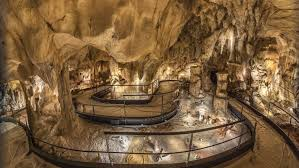
Located in the Ardèche region of southern France, Chauvet Cave is one of the most important prehistoric sites in the world. Discovered in 1994, the cave is believed to have been sealed for tens of thousands of years, preserving its contents as though they were frozen in time. The cave walls are adorned with more than 1,000 intricate paintings, some dating back over 33,000 years, making them among the oldest known examples of human art.
The paintings in Chauvet depict a wide array of animals, including mammoths, lions, and rhinoceroses—all creatures that roamed Europe during the Ice Age. The level of detail and artistic skill evident in the paintings suggest that early humans possessed a deep understanding of their environment and remarkable creative abilities. Researchers believe these works of art were more than just decoration; they may have held spiritual or ritualistic significance to the people who created them.
Unfortunately, the general public cannot visit Chauvet Cave directly, as human presence poses a risk to the delicate environmental balance that has preserved its relics for so long. However, a painstakingly accurate replica, known as “Chauvet 2,” allows visitors to experience the grandeur and history of this extraordinary site without compromising its integrity.
2. Altamira Cave – Spain
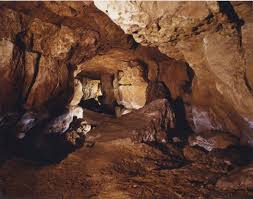
Nestled in the rolling countryside of northern Spain, Altamira Cave is a time machine to the Paleolithic period. The cave’s colorful, detailed artwork, which includes iconic depictions of bison, deer, and horses, has been dated to approximately 36,000 years ago. It was famously dubbed the “Sistine Chapel of Prehistoric Art” due to its extraordinary artistic quality and vivid use of natural pigments.
Discovered in 1868, Altamira represents a breakthrough in our understanding of prehistoric culture. The images showcase the importance of wildlife to early humans, both as vital resources and as creatures worthy of reverence. Researchers believe the cave was used for sacred ceremonies, possibly enhancing connections to the animals depicted on its walls.
Regrettably, like many ancient sites, Altamira has faced challenges in balancing preservation with public accessibility. The cave was closed to visitors for years, but now limited access is granted through a lottery system to prevent damage to the precious artwork. The nearby museum offers a faithful replica of the cave and serves as an educational gateway to understanding its importance.
3. Lascaux Cave – France
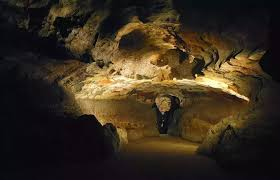
Few caves are as synonymous with prehistoric art as Lascaux Cave in southwestern France. Discovered in 1940 by four teenagers, it contains some of the most renowned Paleolithic paintings in the world. The artwork, created over 17,000 years ago, features more than 600 animals, humans, and abstract symbols painted with extraordinary precision and vibrant colors.
One of the most striking features of Lascaux is the diversity of animals represented, from bulls and horses to ibexes and stags. The depictions offer clues about the relationship between early humans and the animals they shared their environment with, and they suggest intricate rituals or shamanistic practices. The meticulous techniques used in these paintings reveal a complex understanding of perspective and shading, a remarkable achievement for artists of the time.
To counteract deteriorative effects caused by human interaction, Lascaux Cave has been closed to the public since 1963. Today, visitors can explore Lascaux IV, a state-of-the-art replica that captures the magic of the original cave and takes visitors on a journey through time.
4. Devetashka Cave – Bulgaria
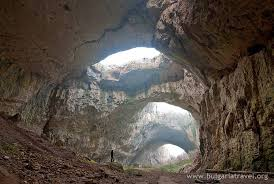
Standing as one of Europe’s most visually striking caves, Devetashka Cave in Bulgaria is not only ancient but also massive. Its vast openings and high ceilings have made it a key archaeological site, with evidence pointing to human habitation as far back as 70,000 years ago.
Devetashka Cave also boasts breathtaking natural features, including skylights that allow sunlight to illuminate the lichen-covered interior. These unique openings foster a diverse ecosystem, with numerous species of bats and other wildlife calling the cave home. For early humans, the cave would have been a perfect refuge, offering shelter from harsh weather and predators in the region.
Archaeologists have unearthed numerous artifacts from the cave, including tools and pottery that span prehistoric and historical periods. While Devetashka gained wider attention when it was used as a filming location for Hollywood movies, its real importance lies in the glimpse it provides into early European life and the interconnection between humans and their natural surroundings.
5. Skocjan Caves – Slovenia
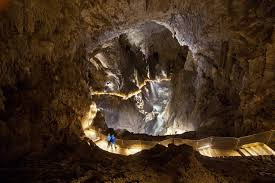
A UNESCO World Heritage site, the Skocjan Caves in Slovenia are among the oldest and most geologically significant caves in Europe. While the caves were not primarily used for habitation, archaeological evidence suggests they were well known to humans as far back as prehistoric times.
The Skocjan Caves are renowned for their dramatic underground chambers and the Reka River, which disappears into the ground to carve one of the world’s largest subterranean canyons. This unique environment showcases the immense power and beauty of natural forces, with stalactites, stalagmites, and collapsed dolines forming a spectacular array of formations.
Tourist access to the Skocjan Caves has been carefully managed to protect their fragile ecosystems while allowing visitors to marvel at their wonders. Walking through the caverns feels like entering another world—a world sculpted over millennia by water and time and one that has stood quietly in Europe’s heart, witnessing the ebb and flow of ancient eras.
6. Pech Merle Cave – France
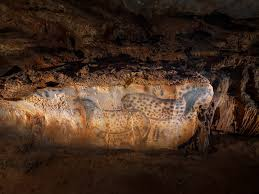
Nestled in the Lot department of southern France, Pech Merle Cave is a stunning site of prehistoric art and geological magnificence. Unlike many of its counterparts, this cave remains accessible to the public, allowing visitors to connect directly with one of Europe’s most ancient artistic expressions.
The artworks in Pech Merle date back nearly 25,000 years and include remarkable depictions of spotted horses, humans, and hand stencils. The spotted horses, in particular, have fascinated researchers, as they hint at the possibility that early humans had a symbolic or spiritual connection with certain animal species. Furthermore, the cave contains footprints, giving a literal step closer to the individuals who once roamed its damp halls.
The cave’s environment has also played a role in preserving its artworks, with the natural humidity and cool temperatures acting as a protective shield. Visitors are reminded to tread carefully, as every step in this ancient space echoes the footsteps of countless generations of humans drawn to its beauty and mystery.
7. Vindija Cave – Croatia
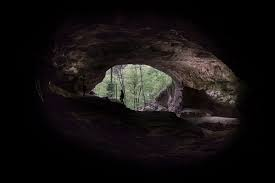
Located in northern Croatia, Vindija Cave is not as famous as some of the other caves on this list, but its archaeological significance is profound. This site has been instrumental in the study of Neanderthals and their interaction with early modern humans, with evidence suggesting occupation as far back as 40,000 years ago.
Fossils recovered from Vindija Cave have provided crucial insights into the biology and culture of Neanderthals. The DNA extracted from these remains has allowed scientists to paint a clearer picture of how Neanderthals lived, interacted, and eventually disappeared. Tools and animal bones found in the cave also highlight their resourcefulness and adaptation to the environment.
For those interested in human evolution, Vindija Cave stands as a vital piece of the puzzle, with ongoing research continuing to shed light on our ancient relatives. It serves as a reminder of the shared history of all humans, much of which remains hidden beneath the Earth’s surface.
8. Postojna Cave – Slovenia
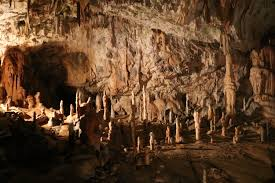
The Postojna Cave system is one of the most captivating underground worlds in Europe. Located in southwestern Slovenia, this extensive karst cave system stretches over 24,000 meters and has been explored for centuries. Evidence of human presence in the area dates back to the Stone Age, making it an essential site for studying prehistoric life.
Postojna is unique in that it blends ancient history with modern tourism. Visitors can take a train ride through its grand passages, adorned with striking formations such as the “Brilliant” stalagmite and the world-famous “Concert Hall,” where sound reverberates beautifully. Though the caves’ primary significance lies in their geological age, they also hold clues to early human activity in the region.
The cave system is also home to the olm, a rare amphibian sometimes called the “baby dragon.” Combining biological rarity with geological splendor and human history, Postojna Cave is a destination that bridges the ancient and the modern, leaving visitors in awe of its unique blend of natural and archaeological heritage.
Conclusion
The oldest caves of Europe are far more than mere pockets in the Earth; they are hallowed halls that preserve the stories of life from eons past. These sites remind us of the artistry, ingenuity, and adaptability of early humans, as well as the natural forces that shaped them.
By exploring such caves, we not only satisfy our curiosity but also come closer to understanding our shared heritage. Whether adorned with prehistoric art or marked by the passage of ancient species, each cave is a testament to the inexhaustible wonder of the human story—and of Earth itself. From France to Slovenia, these magnificent caverns beckon us to delve ever deeper and marvel at the echoes of the past.