Africa is a land rich in history, culture, and tradition, and its sports venues are no exception. Across the continent, there are stadiums that have stood the test of time, bearing witness to countless legendary moments and stories. These architectural marvels represent the evolution of sport in Africa—from colonial influences to modern-day tournaments—etching themselves into the fabric of their nations’ histories.
In this article, we’ll take a journey through ten of the oldest stadiums on the continent, uncovering their historical significance and inspiring tales.
List of the Oldest Stadiums in Africa
1. Stade Tata Raphaël, Democratic Republic of Congo
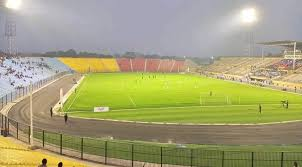
Stade Tata Raphaël, located in Kinshasa, holds a legendary place in African sports history. Originally built in 1952 during colonial rule, it was known as Stade Roi Baudouin before being renamed in honor of Raphael de la Kethulle, the Belgian missionary who played a key role in developing sports in the region. This stadium stands as a symbol of the Democratic Republic of Congo’s transition from colonialism to independence.
The stadium is most famously remembered as the site of the historical 1974 “Rumble in the Jungle” boxing match between Muhammad Ali and George Foreman. It wasn’t just a sporting event but a cultural phenomenon that placed Africa in the global spotlight. Today, it serves as a venue for local football matches, concerts, and other cultural events, continuing to connect communities through its powerful legacy.
Stade Tata Raphaël may not boast the modern amenities of newer venues, but its historical significance makes it a timeless treasure. It stands as a reminder of how sport brings people together and shapes unforgettable moments.
2. Ellis Park Stadium, South Africa
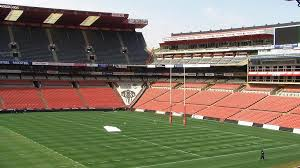
Ellis Park Stadium, located in Johannesburg, is an iconic South African sports venue that has etched itself into the nation’s history since its opening in 1928. Originally built to accommodate rugby but later expanded to host soccer matches, Ellis Park is synonymous with South African excellence in sports.
The stadium gained global fame during the 1995 Rugby World Cup, when a newly democratic South Africa united in celebration as their team, the Springboks, lifted the trophy. This defining moment was immortalized in Nelson Mandela’s symbolic appearance wearing a Springboks jersey, cementing Ellis Park’s place in the country’s socio-political history.
Today, Ellis Park continues to host major sporting events and concerts, remaining a cornerstone of Johannesburg’s identity. Its ongoing adaptability and storied past ensure its place among Africa’s most legendary stadiums.
3. Cairo International Stadium, Egypt
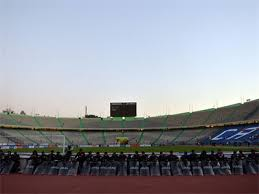
Opened in 1960, Cairo International Stadium is one of Africa’s largest and most historic stadiums. Located in the bustling city of Cairo, this venue has hosted countless events, including the prestigious Africa Cup of Nations tournaments. Its capacity of over 74,000 makes it a hub for both football enthusiasts and large-scale gatherings.
Built during Egypt’s post-colonial modernization period, Cairo International Stadium became a symbol of national pride. It has witnessed legendary matches involving local clubs like Al Ahly SC and Zamalek SC, as well as Egypt’s national team, earning its reputation as a fortress of Egyptian football.
The stadium underwent renovations in the late 20th century to ensure it remains a top-tier venue. Its legacy, however, lies not only in its modern facilities but in the memories it has created for millions of fans who view it as a pillar of Egyptian sports history.
4. Municipal Stadium, Ghana
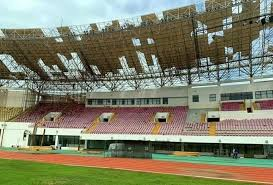
The Municipal Stadium in Accra, built in the early 1950s, has long been a key site for sporting events and national celebrations. It played a central role in Ghana’s football journey during the country’s early post-independence years.
The stadium saw legendary local teams such as Accra Hearts of Oak play iconic matches that shaped Ghana’s football culture. It became a national treasure, hosting memorable tournaments that inspired generations of players to represent Ghana on the international stage.
Over the years, the Municipal Stadium has evolved from hosting intimate matches to being a place of cultural gatherings. Though smaller compared to newer Ghanaian venues, it retains the charm and history associated with its pioneering role in African sport.
5. Stade du 4 Août, Burkina Faso
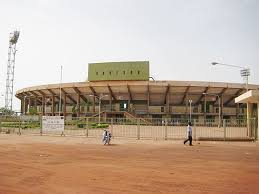
Named in honor of Burkina Faso’s National Day marking the 1983 revolution, Stade du 4 Août in Ouagadougou is a historic venue deeply tied to the country’s identity. Opened in the 1960s, it became the heartbeat of local sports activities and public celebrations.
This stadium gained prominence as an international venue during Africa Cup of Nations tournaments. It has hosted local clubs and the Burkina Faso national team, providing a space where fans and players alike share unforgettable moments.
Stade du 4 Août is not just a sporting arena—it’s a place of unity and pride for the people of Burkina Faso. Its role in the socio-political and cultural tapestry makes it one of Africa’s most significant older stadiums.
6. Stade de l’Amitié, Benin
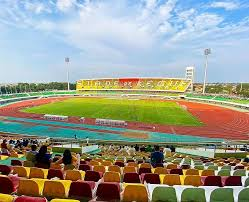
Opening its doors in 1963, Stade de l’Amitié in Cotonou, Benin, is a venue that symbolizes friendship and connection. Its name, meaning “Stadium of Friendship,” emphasizes its importance as a hub for communal gatherings.
The stadium has played host to football matches involving Benin’s national team, major tournaments like the Africa Cup of Nations, and community festivals. Its versatile use has made it an integral part of Benin’s cultural identity.
Despite its age, Stade de l’Amitié remains a popular venue thanks to ongoing renovations. It is a testament to the idea that sports bring people together regardless of borders or backgrounds.
7. National Stadium, Nigeria
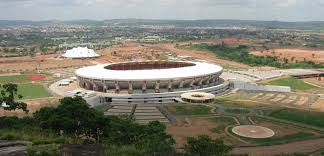
Located in Lagos, Nigeria’s National Stadium is a historic venue completed in the early 1970s. It became a beacon of Nigerian sporting excellence, hosting countless football matches, athletics events, and major cultural spectacles.
The stadium rose to prominence during Nigeria’s golden era in football, when the Super Eagles dominated Africa, winning tournaments and capturing fans’ hearts. It has also been home to iconic clubs that contributed to the development of Nigerian football culture.
Though it has seen periods of decline, restoration efforts have aimed to return the National Stadium to its former glory. For millions of Nigerians, it remains intertwined with memories of patriotic sporting triumphs.
8. Stade L’Abbé Deschamps, Gabon
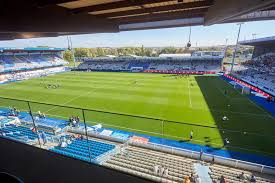
One of Gabon’s oldest stadiums, Stade L’Abbé Deschamps dates back to the colonial era but gained importance following Gabon’s independence. Located in Libreville, its name honors a prominent missionary who left his mark on the region’s history.
The stadium has hosted both domestic football and Gabon’s national team matches. It played a significant role during international tournaments, particularly when Gabon co-hosted the Africa Cup of Nations in 2012.
Stade L’Abbé Deschamps exemplifies how sport and history intersect to create venues of lasting significance. Its legacy as one of Gabon’s premier sporting arenas remains firmly intact.
9. Kenya Stadium, Kenya
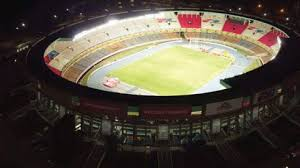
Built in the colonial era, Kenya Stadium in Nairobi has a story that spans decades. It became one of the country’s first venues to host large-scale football matches and public events, establishing a rich sporting tradition.
The stadium is celebrated for nurturing local talent. It has seen generations of players rise through its ranks to represent Kenya on the international stage, including during their African Cup and Olympic campaigns.
While newer venues exist, Kenya Stadium remains rooted in the hearts of Nairobi locals as a cultural and sporting landmark. Its contributions to Kenyan football and athletics make it a site of enormous historical significance.
10. Champ de Mars Racecourse, Mauritius
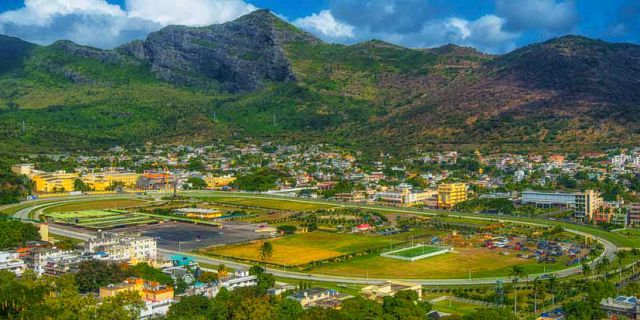
Although primarily a horse racing venue, Champ de Mars Racecourse in Port Louis deserves mention as one of Africa’s oldest sporting facilities. Established in 1812, it holds the distinction of being the oldest stadium in Africa.
The racecourse is steeped in colonial history, as it was built under British rule during Mauritius’s development. Champ de Mars is not only a sporting venue but also a cultural hub where traditions are celebrated through horse races, music, and festivals attended by thousands.
Even after centuries of operation, Champ de Mars remains the centerpiece of Mauritian sporting culture. Its historical significance and multi-purpose use secure its place as a jewel of African heritage.
African’s Oldest Stadiums Overview
| Stadium Name | Location | Year Opened | Key Significance |
|---|---|---|---|
| Stade Tata Raphaël | Kinshasa, DRC | 1952 | Site of “Rumble in the Jungle” |
| Ellis Park Stadium | Johannesburg, South Africa | 1928 | 1995 Rugby World Cup |
| Cairo International | Cairo, Egypt | 1960 | Africa Cup of Nations host |
| Municipal Stadium | Accra, Ghana | 1950s | Ghana’s post-independence football |
| Stade du 4 Août | Ouagadougou, Burkina Faso | 1960s | Tied to Burkina Faso’s revolution |
| Stade de l’Amitié | Cotonou, Benin | 1963 | Symbol of friendship and unity |
| National Stadium | Lagos, Nigeria | 1970s | Icon of Nigerian sports excellence |
| Stade L’Abbé Deschamps | Libreville, Gabon | Colonial era | Host of Africa Cup of Nations |
| Kenya Stadium | Nairobi, Kenya | Colonial era | Pioneer of Kenyan football development |
| Champ de Mars | Port Louis, Mauritius | 1812 | Oldest stadium; horse racing |
Conclusion
Africa’s oldest stadiums are more than just structures—they are living monuments that reflect the continent’s cultural, political, and sporting evolution. From hosting global events like the “Rumble in the Jungle” to nurturing local talent, each venue holds a unique story that connects fans across generations.
While modernity has introduced state-of-the-art stadiums, the timeless charm of these older arenas reminds us of the roots of African sports and their enduring impact. Whether you’re a sports enthusiast or a history buff, visiting these iconic stadiums offers a glimpse into Africa’s rich and diverse heritage.