America’s love for sports goes back centuries, and its stadiums stand as timeless witnesses to games, concerts, and historic moments. While state-of-the-art venues with cutting-edge technology continue to pop up across the country, there’s something magical about stepping into a place that has stood the test of time. The oldest stadiums in the United States aren’t just sports arenas—they’re living history, carrying stories of legendary athletes, roaring fans, and cultural milestones.
In this article, we delve into ten of the country’s oldest stadiums, celebrating their architectural beauty, historical importance, and continued impact on both sports and society. Whether you’re a sports fan or a history enthusiast, you’ll find fascinating tales behind these iconic venues, each a true American treasure.
List of the Oldest Stadiums in the United States
1. Franklin Field (Philadelphia, Pennsylvania – 1895)
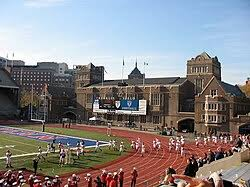
Franklin Field in Philadelphia holds the distinction of being the oldest stadium still in continuous use in the United States. Built in 1895, it’s located at the University of Pennsylvania and has hosted collegiate football, track-and-field events, and even NFL games.
What makes Franklin Field special isn’t just its antiquity—it’s the breadth of events and milestones it has witnessed. Once the home of the Philadelphia Eagles, it’s where Chuck Bednarik delivered his famous tackle in 1960, securing the Eagles’ championship win. The stadium also hosted the Penn Relays, one of the oldest annual track meets in the country, which draws athletes from all over the world.
2. Harvard Stadium (Cambridge, Massachusetts – 1903)
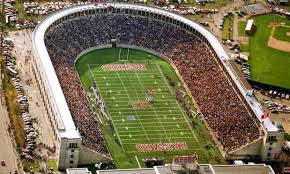
A pioneer in stadium design, Harvard Stadium was the first large-scale stadium made entirely of reinforced concrete. Constructed in 1903, it remains an iconic site at Harvard University and a National Historic Landmark.
With its classical horseshoe design inspired by Greek and Roman architecture, the stadium set the standard for modern football fields. Harvard Stadium also influenced a fundamental shift in football rules: its tight dimensions prompted the introduction of the forward pass, forever changing the game. It remains a symbol of innovation, blending ancient design principles with America’s passion for football.
3. Yale Bowl (New Haven, Connecticut – 1914)
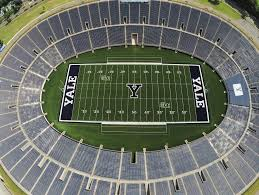
The Yale Bowl is one of the birthplaces of college football in America. Completed in 1914, its bowl-shaped design became a model for future stadiums, inspiring landmarks such as the Rose Bowl in California.
Beyond its architectural significance, the Yale Bowl has fostered countless historic rivalries, including the fierce battles between Yale and Harvard. With seating for over 60,000 fans, it’s hosted generations of sports enthusiasts who come for the spectacle of a traditional American pastime. Stepping into the Yale Bowl is stepping back in time to the roots of collegiate sports.
4. Fenway Park (Boston, Massachusetts – 1912).
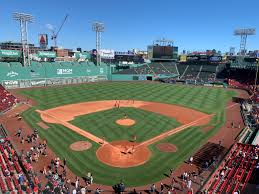
Fenway Park is one of the most beloved stadiums in the United States. Home to the Boston Red Sox since its opening in 1912, this Major League Baseball landmark is synonymous with passion, tradition, and iconic moments.
Famous for its quirky features, such as the Green Monster towering over left field, Fenway Park is a treasure trove of baseball lore. From Babe Ruth’s legendary feats to Carlton Fisk’s “Game 6” home run in 1975, the stadium regularly delivers unforgettable memories. It remains a cornerstone of Boston culture, drawing fans from all over the world.
5. Wrigley Field (Chicago, Illinois – 1914)
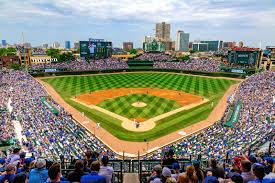
Wrigley Field, built in 1914, has been home to the Chicago Cubs since 1916 and occupies a special place in the hearts of baseball fans everywhere. Its ivy-covered outfield walls and manual scoreboard evoke nostalgia for baseball’s golden era.
Beyond its charm, Wrigley Field has seen its fair share of historic moments. From Gabby Hartnett’s famous 1938 “Homer in the Gloamin’” to the Cubs’ electrifying World Series win in 2016 after a 108-year drought, the stadium remains central to Chicago’s identity. Today, it continues to host Cubs games while maintaining its historic allure.
6. Rose Bowl Stadium (Pasadena, California – 1922)
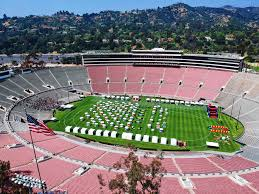
An icon of college football, the Rose Bowl Stadium opened in 1922 and quickly became synonymous with the Rose Bowl Game. It’s one of the most famous and picturesque venues, set against the San Gabriel Mountains of California.
Though its name is tied to college football, the Rose Bowl also hosts concerts and special events, including five Super Bowls. Its enduring legacy ensures that the stadium remains a bucket-list destination for sports enthusiasts. Recognized as a National Historic Landmark, the Rose Bowl Stadium seamlessly blends tradition with universal appeal.
7. L.A. Memorial Coliseum (Los Angeles, California – 1923)
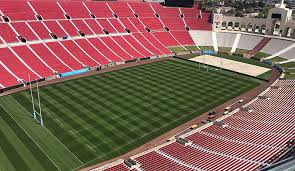
The Los Angeles Memorial Coliseum, completed in 1923, is one of the few stadiums to host both the Summer Olympics (1932 and 1984) and Super Bowls. It’s a true American institution that’s earned its place in global sports history.
Boasting record-breaking crowds for college football games and legendary performances, the Coliseum symbolizes endurance and excellence. It’s also a historical landmark, reflecting Los Angeles’ growth and evolution through the decades. Still active today, the Coliseum proves that even century-old stadiums can contribute to modern sports culture.
8. Bobby Dodd Stadium (Atlanta, Georgia – 1913)
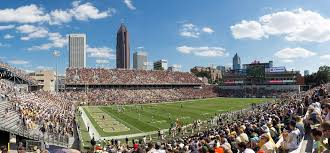
Nestled at Georgia Tech University, Bobby Dodd Stadium opened in 1913 and has remained a centerpiece of collegiate football in the South. It’s the oldest stadium in the Football Bowl Subdivision (FBS), a testament to its storied past and resilience.
Over the years, Bobby Dodd Stadium has seen some of the most thrilling games in college football history. Its urban setting, right in the heart of Atlanta, provides a unique atmosphere, blending Southern charm with the excitement of game day. The stadium continues to enjoy vibrant crowds and loyal fans despite its venerable age.
9. Rickwood Field (Birmingham, Alabama – 1910)
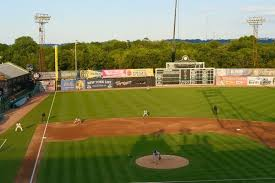
Though it’s no longer home to a professional team, Rickwood Field in Birmingham retains the distinction of being the oldest ballpark in America. Opened in 1910, the stadium harkens back to the golden era of baseball.
Once home to minor league teams and the Negro Leagues, Rickwood Field is now a well-preserved museum, hosting occasional games to celebrate its legacy. Walking through its gates feels like stepping into a time capsule, giving visitors a glimpse of baseball as it was played in the early 20th century.
10. Soldier Field (Chicago, Illinois – 1924)
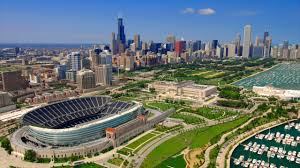
Soldier Field is the NFL’s oldest stadium still in operation and has been home to the Chicago Bears since 1971. Originally built in 1924 as a war memorial, its name honors fallen soldiers, making it a venue of both athletic and historical significance.
While Soldier Field underwent a major renovation in 2003, it managed to retain its historic roots. Its lakefront location offers sweeping views of Chicago, and the stadium regularly hosts Bears fans who revel in the electric atmosphere. Soldier Field stands as proof that a stadium can preserve history while adapting to modern expectations.
Conclusion
America’s oldest stadiums encapsulate more than sports—they represent history, culture, and progress. Each of these venues has stood the test of time, weathering changes in architectural styles, sports rules, and cultural trends. They are not only places where games are played but arenas where memories are forged and legends come to life.
From the ivy-covered walls of Wrigley Field to the groundbreaking design of Harvard Stadium, these landmarks remind us that the past continues to enrich the present. Whether you visit them for a game or a glimpse of history, the oldest stadiums in the U.S. are timeless icons well worth celebrating. Let their stories inspire you and deepen your appreciation for the enduring legacy of sports in America.