Stadiums hold a unique place in American history, serving as sites where legacies are forged, champions are crowned, and generations come together to celebrate their favorite teams and athletes. While modern stadiums dazzle with cutting-edge technology and innovative designs, older stadiums are steeped in character, tradition, and timeless charm.
These enduring venues not only represent athletic history but also reflect the growing importance of sports in American culture over the last century.
Let’s take a closer look at nine of the oldest stadiums in the United States and explore the remarkable stories they hold.
Oldest Stadiums in the US
1. Franklin Field (1895)
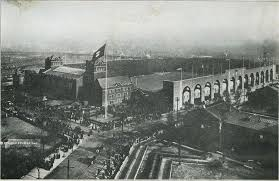
Located in Philadelphia, Pennsylvania, Franklin Field is the oldest operational stadium in the United States. Built in 1895, this iconic venue initially hosted track-and-field events but later became synonymous with college football, serving as the home field for the University of Pennsylvania.
Franklin Field’s historical significance is profound. It was the site of the first-ever football game broadcast on the radio and the first televised football game. With its imposing brick architecture and rich tradition, the stadium has withstood the test of time, hosting the Penn Relays annually since its inception and serving as a living reminder of the past.
The stadium’s durability is equally matched by its versatility. Over the years, it has undergone renovations to modernize its facilities without compromising its historical integrity. Franklin Field continues to welcome passionate spectators, connecting them to over a century of sporting history.
2. Harvard Stadium (1903)
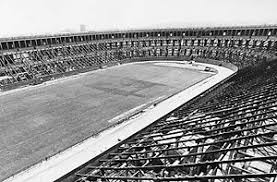
Harvard Stadium in Boston, Massachusetts, is a cornerstone of college football history. Constructed in 1903, this stadium was revolutionary in its design, becoming one of the first large-scale stadiums built entirely out of reinforced concrete.
Harvard Stadium is particularly significant in shaping American football since its design influenced rule changes that led to the legalization of the forward pass. Over the decades, the stadium has been a venue for innovation, where tradition meets adaptability, highlighting the ever-evolving landscape of sports.
Today, Harvard Stadium continues to be used by the university’s football team as well as for other sports and events. Its architectural structure remains an enduring picture of academic excellence and athletic prowess, drawing thousands of visitors who marvel at its preserved splendor.
3. Kyle Field (1904).
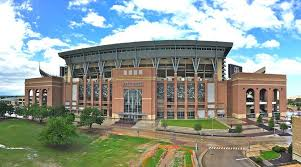
Located in College Station, Texas, Kyle Field is the home of the Texas A&M Aggies football team and stands as one of the oldest and largest stadiums in the country. Established in 1904, the stadium began as a simple grandstand before evolving into the monumental venue it is today.
Kyle Field embodies the spirit of Texas A&M, with a deep sense of pride and tradition. It has hosted countless unforgettable moments in college football, with fans roaring alongside their beloved “12th Man,” a term that originated at Texas A&M to describe their unparalleled fan dedication.
While renovations and expansions have modernized the stadium significantly, Kyle Field’s historic core remains intact. Its enduring commitment to excellence has solidified its place in sports history, making it an essential destination for football fans across the nation.
4. Fenway Park (1912)
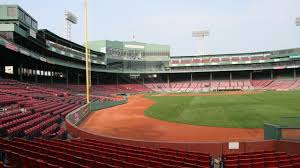
Fenway Park in Boston, Massachusetts, is synonymous with Major League Baseball and the beloved Boston Red Sox. Opened in 1912, Fenway is the oldest Major League Baseball stadium still in operation and one of the sport’s most iconic venues.
The park’s famous features, like the Green Monster, Pesky’s Pole, and the intimate seating arrangements, make it a fan favorite. Over the years, Fenway has witnessed historic moments, including World Series triumphs, legends like Ted Williams and David Ortiz, and countless unforgettable games.
Despite its age, Fenway Park has undergone careful renovations to preserve its character while still accommodating modern demands. Visiting Fenway is less about baseball alone and more about experiencing a slice of American sports heritage.
5. Wrigley Field (1914)
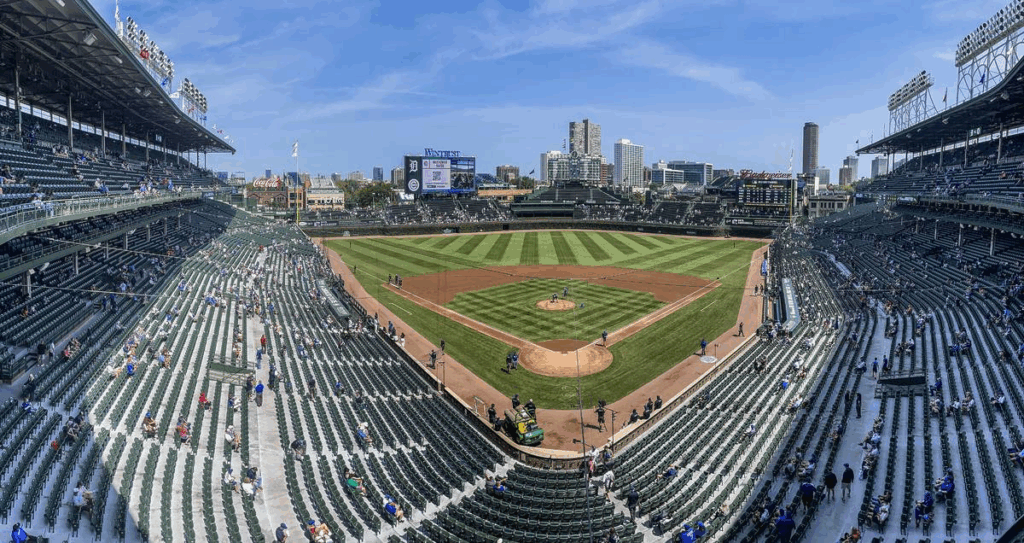
Wrigley Field, nicknamed “The Friendly Confines,” opened in 1914 and is the enduring home of the Chicago Cubs. Located in the heart of Chicago, Illinois, it is the second-oldest Major League Baseball stadium still in operation.
The stadium’s ivy-covered walls, manual scoreboard, and close-knit neighborhood vibe have made Wrigley one of baseball’s most beloved venues. It has been a witness to decades of Cubs games, heartbreaks, and ultimate triumphs, including the team’s historic 2016 World Series win.
Wrigley Field is not just a ballpark but a cultural institution. It continues to welcome generations of Cubs fans while embracing the traditions that have defined it for over a century. Its timeless charm ensures that its legacy will endure.
6. Rose Bowl Stadium (1922)
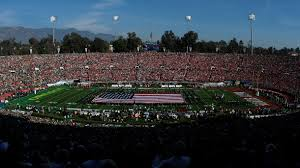
The Rose Bowl Stadium in Pasadena, California, is both a sports venue and a national icon. Built in 1922, it is synonymous with college football and hosts the annual Rose Bowl Game, often referred to as “The Granddaddy of Them All.”
Its historic significance extends beyond football, as it has been the site of several Olympic events, FIFA World Cup matches, and concerts by international music legends. The stadium’s unique horseshoe-shaped design has made it instantly recognizable across the globe.
While its age might classify it as “vintage,” the Rose Bowl has undergone renovations, ensuring its continued role in sporting and entertainment history. Few venues carry the weight of tradition and legacy the way the Rose Bowl Stadium does.
7. Yale Bowl (1914)
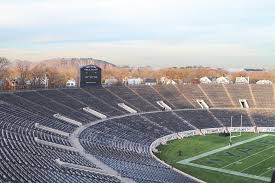
The Yale Bowl in New Haven, Connecticut, is an architectural gem in collegiate sports history. Opened in 1914, this stadium has been the home of the Yale Bulldogs football team and served as the inspiration for iconic venues like the Rose Bowl.
The Yale Bowl’s groundbreaking design introduced the concept of the bowl-shaped stadium, revolutionizing sports architecture. Its massive capacity and open-air design created a template for future stadiums across America.
Even in modern times, the Yale Bowl remains a symbol of athletic excellence. Games here aren’t just football matches; they’re historical events that connect spectators to the roots of collegiate sportsmanship and camaraderie.
8. Bobby Dodd Stadium (1913)
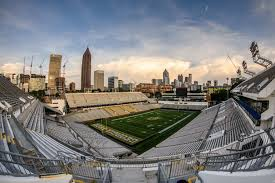
Nestled in the heart of Atlanta, Georgia, Bobby Dodd Stadium opened in 1913 as the home field for Georgia Tech football. With over a century of history, it stands as one of the South’s most storied venues.
The stadium’s history intertwines with Georgia Tech’s legendary football program and its celebrated coach Bobby Dodd, after whom the stadium was named in 1988. It has hosted countless thrilling matches, including conference championships and rivalry games.
Despite several expansions and renovations, Bobby Dodd Stadium retains its classic charm. It sits atop a hill overlooking downtown Atlanta, offering visitors incredible city views alongside the palpable energy of college football.
9. Soldier Field (1924)
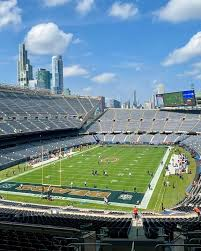
Soldier Field in Chicago, Illinois, stands as a living tribute to those who served in the military, providing a unique blend of sports and civic pride since its opening in 1924. It serves as the home of the NFL’s Chicago Bears and has hosted numerous historic events, including presidential speeches and concerts.
The stadium gained national attention for its striking columns and lakefront location, symbolizing the grandeur of pre-modern architectural design. Over the years, Soldier Field has undergone substantial renovations, modernizing its facilities while preserving its iconic exterior.
Despite controversies surrounding its updates, Soldier Field remains integral to Chicago’s identity. It bridges generations of fans, a testament to the enduring power of sports and its ties to community and history.
A Look at America’s Oldest Stadiums
| Stadium Name | Year Opened | Location | Sports Hosted | Notable Features |
|---|---|---|---|---|
| Franklin Field | 1895 | Philadelphia, PA | Football, Track | First televised football game |
| Harvard Stadium | 1903 | Cambridge, MA | Football | Pioneer in reinforced concrete |
| Kyle Field | 1904 | College Station, TX | Football | “12th Man” tradition |
| Fenway Park | 1912 | Boston, MA | Baseball | Green Monster, Pesky’s Pole |
| Wrigley Field | 1914 | Chicago, IL | Baseball | Ivy-covered walls |
| Rose Bowl Stadium | 1922 | Pasadena, CA | Football | Site of Olympic games |
| Yale Bowl | 1914 | New Haven, CT | Football | Bowl-shaped stadium innovation |
| Bobby Dodd Stadium | 1913 | Atlanta, GA | Football | Stunning views of Atlanta skyline |
| Soldier Field | 1924 | Chicago, IL | Football | Tribute to military service |
Conclusion
America’s oldest stadiums are more than just sporting venues; they are cultural landmarks that embody history, tradition, and a shared love for the games we hold dear. Whether it’s the ivy-covered walls of Wrigley Field, the architectural innovations of Harvard Stadium, or the cherished traditions of Texas A&M’s Kyle Field, these stadiums remind us that sports are a vital thread in the fabric of American life.
While new arenas may boast modern innovations, the oldest stadiums in the US remain unparalleled in their ability to bridge the gap between the past and present, inspiring both nostalgia and awe. Visiting these venues isn’t just attending an event; it’s stepping into living history.