India, a country known for its rich heritage and cultural variety, also boasts a sporting legacy that spans centuries. The nation is dotted with historic stadiums that have witnessed epic games, iconic players, and moments etched in the annals of sports history. These stadiums represent not only architectural marvels but also a connection to the past—a testament to the enduring love for sports.
In this article, we delve into eight of the oldest stadiums in India, exploring their stories, significance, and lasting impact on India’s sporting culture.
List of the Oldest Stadiums in India
1. Eden Gardens, Kolkata
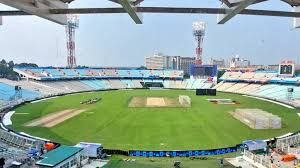
Eden Gardens, often referred to as the “Mecca of Cricket,” is arguably one of the most iconic stadiums in India and the third-largest cricket ground worldwide. Its origins date back to 1864, making it the oldest stadium in India. Named after the Eden sisters, this lush ground situated next to the Hoogly River has been a haven for cricket enthusiasts for over 150 years.
The stadium has hosted numerous legendary cricket matches, including historic tests and final over thrillers. From witnessing Sachin Tendulkar’s hundreds to unforgettable World Cup moments, Eden Gardens holds a special place in the heart of cricket fans. Its seating capacity, originally designed for around 40,000 spectators, now accommodates over 66,000, an upgrade that symbolizes its growing stature in global sports.
More than just a sports venue, Eden Gardens has been a cultural hotspot in Kolkata. Its aesthetic surroundings and oral tradition of the roaring crowd have made it a symbol of cricket passion. Even today, it continues to attract fans from all over the country, epitomizing how sports transcend generations.
2. Delhi’s Ambedkar Stadium
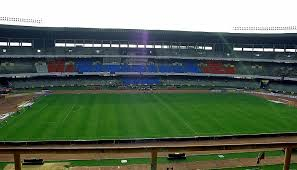
Situated right in the heart of Delhi, Ambedkar Stadium is a football-dedicated arena that dates back to 1942. It is one of the oldest stadiums still in operation for football in India, bringing generations of sports aficionados together. Despite its relatively modest seating capacity—around 20,000—it has gained recognition as one of the country’s primary football venues.
Over the years, Ambedkar Stadium has witnessed historic tournaments like the Durand Cup, one of the world’s oldest football tournaments. It also served as a breeding ground for young Indian footballers striving for international glory. Players and fans alike celebrate its significance as a venue that champions football in a cricket-dominated nation.
The stadium’s location, in proximity to Delhi’s bustling streets and governmental landmarks, makes it a unique sporting destination. Its legacy lies in the memories it has created for soccer lovers who dream of taking India to global footballing stages.
3. Madras Cricket Club Ground, Chennai
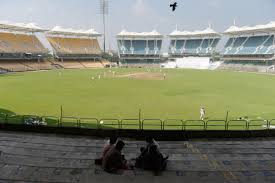
Cricket in the southern part of India owes much of its identity to the Madras Cricket Club Ground, situated in Chennai. Established in 1865, this historic venue ranks among the oldest cricket stadiums in the country. Known for its British colonial architecture, it is synonymous with the evolution of Tamil Nadu’s cricket scene.
It was here that cricket legends like Sunil Gavaskar and Gundappa Viswanath showcased their skills, further cementing the ground’s status in cricket traditions. Many state matches and domestic tournaments find their roots at the Madras Cricket Club Ground, giving established and budding cricketers a stage to perform.
The picturesque setting and unmatched legacy make this venue a landmark in Chennai. Today, the charm of this iconic ground continues to draw cricket enthusiasts who value both heritage and competitive action.
4. Moin-ul-Haq Stadium, Patna
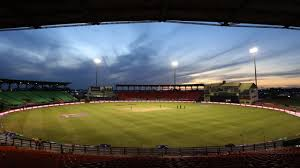
Built in 1969, Moin-ul-Haq Stadium is one of the oldest stadiums in Eastern India, located in Patna, Bihar’s capital city. Though lesser-known than its peers, the stadium holds significant importance as the epicenter of Bihar’s contribution to sports, especially cricket.
With a seating capacity of over 25,000, the stadium has hosted Ranji Trophy matches and national-level tournaments. It has also seen the rise of several talents from Bihar who went on to represent the state and the nation in cricket. This venue remains an essential hub for the cricketing aspirations of upcoming players in the region.
The stadium is named after Moin-ul-Haq, an influential figure in promoting sports culture in Bihar. While modernity might have overshadowed its glory, the stadium stands as a reminder of a time when smaller venues fueled larger sports dreams.
5. Jawaharlal Nehru Stadium, Delhi
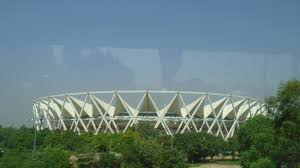
Dating back to 1982, the Jawaharlal Nehru Stadium in Delhi is one of the finest examples of multipurpose stadiums in India. While it may not be as old as others on this list, its significance is undeniable. The stadium was originally built to host the Asian Games—a monumental event that put Indian sports on the global map.
Over the decades, the venue has become a hub for diverse sports, from football and athletics to concerts and political gatherings. With a seating capacity exceeding 60,000, it makes for a colossal structure that embodies the spirit of sportsmanship. The stadium has also hosted international football matches, including those of India’s national team in various FIFA World Cup qualifiers.
The Jawaharlal Nehru Stadium is more than a sports venue—it embodies an era when Indian infrastructure paved the way for global recognition. Its continued relevance in sporting culture ensures that its legacy is both honored and sustained.
6. Green Park Stadium, Kanpur
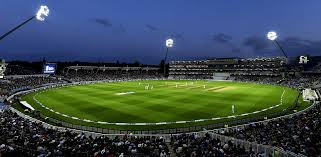
Established in 1945, Green Park Stadium has been the cornerstone of Uttar Pradesh’s cricketing ambitions. Located in Kanpur, it is one of the few stadiums in India that is named after its surrounding greenery rather than a historical figure or event—a testament to its serene location.
Green Park Stadium is renowned for hosting extraordinary matches, including Test and One-Day Internationals. The stadium has provided a spectacle for cricket fans eager to see top-tier competition under lights. It is also known for its welcoming atmosphere and the passion of fans who ensure each match is a festival.
From witnessing India’s cricketing highs to nurturing local talent, Green Park Stadium continues to serve as an integral part of India’s sporting ecosystem. Its lush surroundings and well-maintained facilities symbolize the harmony between development and preservation of history.
7. Shree Shiv Chhatrapati Sports Complex, Pune
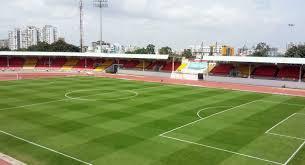
Located in Balewadi, Pune, the Shree Shiv Chhatrapati Sports Complex was built in 1994, marking a relatively recent addition compared to others in this list. However, its age doesn’t overshadow its significance in shaping sports in Maharashtra and western India.
The complex includes an assortment of sporting facilities, including venues for athletics, swimming, and badminton, making it a multi-disciplinary hub. With a seating capacity of over 20,000 for its main stadium, it has hosted national tournaments and international events alike, including portions of the Commonwealth Youth Games.
Its namesake Shiv Chhatrapati reflects the martial valor and pride associated with the Maratha Empire, resonating well with Maharashtra’s sports aspirations. The multi-purpose nature of this venue ensures that it continues to be a key contributor to sporting excellence in India.
8. Palais Royale Indoor Stadium, Pondicherry
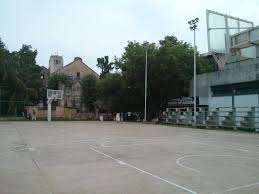
The Palais Royale Indoor Stadium in Pondicherry might not have the scale or grandeur of other stadiums on this list, but it is undoubtedly historic. Established in the early 20th century, this indoor venue is a testament to India’s engagement with unique sports such as badminton, table tennis, and volleyball.
Its compact size and architectural beauty have not stopped it from gaining importance in southern India’s sporting scenario. The stadium has hosted several state-level indoor sports tournaments, encouraging Pondicherry’s youth to engage in athletics and recreational activities.
As one of the earliest indoor venues in India, Palais Royale is a fascinating piece of sporting history that deserves its recognition. Its blend of colonial architecture and localized sports culture is an enduring symbol of Pondicherry’s cultural identity.
Oldest Stadiums in India
| Stadium Name | Location | Year Established |
|---|---|---|
| Eden Gardens | Kolkata | 1864 |
| Ambedkar Stadium | Delhi | 1942 |
| Madras Cricket Club Ground | Chennai | 1865 |
| Moin-ul-Haq Stadium | Patna | 1969 |
| Jawaharlal Nehru Stadium | Delhi | 1982 |
| Green Park Stadium | Kanpur | 1945 |
| Shree Shiv Chhatrapati Complex | Pune | 1994 |
| Palais Royale Indoor Stadium | Pondicherry | Early 20th Century |
Conclusion
India’s sporting legacy is deeply intertwined with its oldest stadiums, which have stood the test of time, exemplifying passion, determination, and resilience. These historic arenas have nurtured talent, hosted legendary matches, and contributed to the country’s identity on the global sports map. From Eden Gardens in Kolkata to the Palais Royale in Pondicherry, each stadium tells a unique story that celebrates centuries of athletic commitment.
Whether you are a dedicated sports fan or a heritage enthusiast, exploring these timeless arenas is a journey worth undertaking. As India looks forward to a brighter sporting future, these stadiums remind us that glory often rises from humble beginnings steeped in history.