New York City is synonymous with culture, innovation, and history, embodying generations of storytelling and creativity. Among its many treasures are its historic cinemas—spaces that have enchanted audiences with flickering images and unforgettable tales for over a century. These landmarks are more than places to watch films; they’re sanctuaries of nostalgia, community, and architectural brilliance. From gilded theaters to modest movie houses, each one carries a unique tale.
Let’s embark on a journey to explore seven of the oldest cinemas in New York and uncover their fascinating legacies.
Oldest Cinemas in New York
1. The Paris Theater
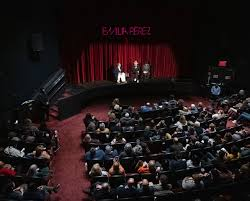
One of the crown jewels of New York’s longstanding cinema culture, the Paris Theater has stood proudly near the southern edge of Central Park since its opening in 1948. While many cinemas have adapted to larger multiplex designs, the Paris Theater maintains its original charm with a single screen—a rarity in modern times.
- Historical Significance: Named after the city of Paris, this theater is a tribute to French art and culture. Originally commissioned by Pathé Cinema, the Paris Theater quickly became the home of foreign and independent films, offering New Yorkers access to international cinema trends that were virtually inaccessible elsewhere.
- Architectural Elegance: The theater’s classical design features an elegant marquee and interior seating that makes visitors feel transported back in time. Luxe velvet seats and tasteful décor create an ambiance reminiscent of mid-20th-century sophistication.
- Legacy: Over the decades, the Paris Theater has gained a reputation for its exclusivity. From showing films like Marriage Story to hosting private premieres, it remains one of New York’s cultural touchstones, preserving cinematic tradition in contemporary times.
2. The Beacon Theatre
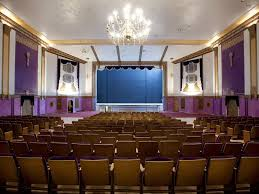
While primarily known as a performing arts venue today, the Beacon Theatre, built in 1929, began its life as a majestic cinema. With stunning interior designs and a reputation for grandeur, it became a cornerstone of entertainment on Manhattan’s Upper West Side.
- Historical Background: The Beacon was originally conceived as part of the movie palace boom of the 1920s by Samuel L. “Roxy” Rothafel. With the advent of “talkies,” it was designed to accommodate both films and stage shows. It soon carved out a niche as an opulent movie theater that drew patrons from across the boroughs.
- Design Excellence: A visual feast awaits visitors walking through its doors. Known for its Art Deco motifs, golden murals, and dramatic chandeliers, the Beacon Theater was—and remains—a testament to architectural ambition of its era. The acoustics and sightlines were ahead of their time, and they continue to impress audiences.
- Transformation and Modern-Day Role: While no longer solely focused on screening films, the Beacon Theatre hosts concerts, comedy shows, and special movie events. Its preservation ensures that New Yorkers can still appreciate the cinematic charm of its early days.
3. The Regent Theater
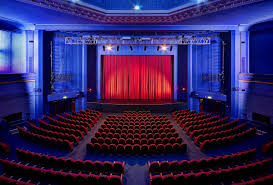
Opened in 1913, the Regent Theater holds the distinction of being one of New York’s first purpose-built cinemas. Located in Harlem, it revolutionized cinema-going by merging grand architecture with advanced film technology, setting a precedent for future theaters across the nation.
- Innovative Beginnings: In the early 20th century, silent films were seen primarily in nickelodeons or adapted spaces. The Regent was designed specifically to elevate film screenings into a full-fledged social experience, offering comfortable seating, a professionally lit screen, and synchronized orchestra performances.
- Cultural Importance: The Regent served as a communal hub for Harlem residents during the early 20th century, drawing crowds with groundbreaking silent films and live entertainment. Its inclusivity in a rapidly diversifying neighborhood served as an example of cinema’s ability to unite communities.
- What Happened Next?: The Regent has undergone multiple transformations over the years, including renovations to enhance its façade and repurpose its space for other cultural events. Though its role as a movie theater has diminished today, its influence on cinema history is undeniable.
4. The Film Forum
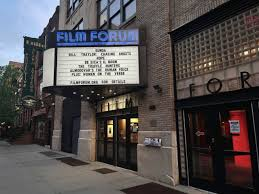
The Film Forum, founded in 1970, may not be the oldest cinema on this list, but it remains one of New York’s most iconic venues dedicated to independent and foreign cinema. Its enduring legacy proves that great cinema spaces don’t need opulent designs—they just need passionate audiences.
- History at a Glance: Launching with just 50 folding chairs and a projector, the Film Forum began as a small beacon for cinephiles in Greenwich Village who craved alternatives to mainstream Hollywood films. Over the years, its commitment to showcasing groundbreaking and thought-provoking cinema earned it accolades.
- Contributions to Independent Cinema: As one of the few non-profit cinemas in the United States, the Film Forum provides a platform for films that would otherwise never receive widespread attention. Its programming includes retrospectives, world premieres, and an eclectic mix of genres, ensuring an enriching experience for moviegoers.
- Continued Success: Expanded to house three screens, the Film Forum continues to curate innovative selections from filmmakers across the globe. With affordable tickets and educational outreach programs, it has a unique role in shaping New York’s film culture.
5. The Roxy Theatre
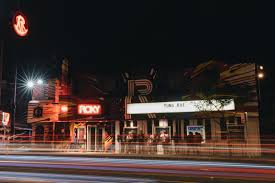
Once dubbed “The Cathedral of the Movies,” the illustrious Roxy Theatre doesn’t exist today—but its legend looms large in New York’s cinematic history. Opening its doors in 1927, the Roxy was an emblem of the golden age of cinema palaces.
- A Cultural Phenomenon: Designed to dazzle its audiences, the Roxy featured grand staircases, sweeping balconies, and even a subterranean lounge. Capable of seating 5,920 guests, it became the biggest theater in the world upon its debut, attracting filmgoers in droves.
- Technological Breakthroughs: Movies screened at the Roxy benefited from its state-of-the-art projection and sound systems, alongside performances from a live orchestra. Its luxe experience distinguished it from other cinemas, establishing the Roxy as the epitome of movie-going during the Jazz Age.
- Closing the Curtains: Despite its popularity, the Roxy was demolished in 1960 to make way for office buildings. While it no longer graces the streets of Manhattan, its legacy continues to inspire architects and film lovers alike.
6. The Ziegfeld Theatre
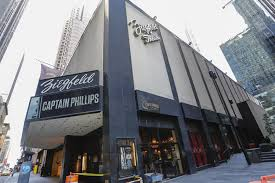
A nod to the legendary Broadway producer Florenz Ziegfeld, the Ziegfeld Theatre holds a special place in NYC’s cinematic history. Opening in 1969 and closing its doors in 2016, the Ziegfeld was celebrated as one of the finest theaters dedicated to Hollywood’s biggest films.
- Architectural Grandeur: Modeled after movie palaces of old, the Ziegfeld featured plush red carpets, gilded trim, and towering columns. Serving as an “event theater,” it made movie watching feel less like routine entertainment and more like an elegant affair.
- Hollywood Showcases: Hosting red carpet premieres for blockbuster movies, from The Godfather to Star Wars, the Ziegfeld was central to New York’s film industry. Its single-screen structure was uniquely equipped to accommodate the grandeur of premieres while providing an intimate viewing experience.
- End of an Era: The Ziegfeld’s closure reflected the city’s move toward larger multiplexes. Yet for film buffs, it will always symbolize a bygone era of opulence and exclusivity in cinematic culture.
7. The Village East Cinema
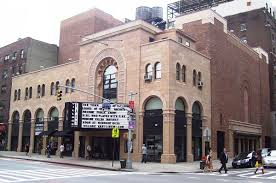
Completed in 1926 as a Yiddish theater, the Village East Cinema is a vibrant gem in New York’s historic East Village. Today, it operates as a multi-screen cinema while retaining its cultural and architectural heritage.
- Multicultural Origins: Built to entertain a predominantly Jewish audience, the theater initially showcased Yiddish dramas and musicals. Its shift to cinema programming later allowed it to keep pace with New York’s changing cultural landscape, transforming into a community hub for people of all backgrounds.
- Architectural Beauty: Renowned for blending Moorish Revival architecture with intricate detailing, the Village East Cinema is as much a visual treat as it is a functional theater. Its domed ceilings, stained glass windows, and ornate balconies are perfect reminders of its theatrical past.
- Role Today: As part of the Angelika Film Center chain, this cinema now screens everything from blockbuster hits to indie films. It serves as an accessible yet historic venue for cinephiles who crave an escape from cookie-cutter cinemas.
Final Thoughts
New York City’s oldest cinemas are more than relics of the past—they’re living embodiments of evolving culture, entertainment, and artistry. From the opulent designs of the Roxy Theatre to the cultural significance of the Village East Cinema, each venue tells its own chapter in the tale of cinema history.
Whether hosting foreign masterpieces or glitzy Hollywood premieres, these spaces draw us in, reminding audiences why movie theaters remain sacred despite the advent of streaming services. For New Yorkers and visitors alike, stepping into one of these historic cinemas is a journey through time—a reminder that storytelling never grows old.