The UK is a land steeped in history, with each corner whispering tales of bygone eras. Among its most venerable landmarks are its churches, which have withstood the test of time to tell stories of faith, community, and architectural marvels. These ancient sanctuaries not only serve as places of worship but also as custodians of history, revealing the layers of cultural evolution over centuries.
This article explores nine of the oldest and most fascinating churches in the UK, each one a testament to the rich tapestry of British history.
List of the Oldest Churches in the United Kingdom
1. St Martin’s Church, Canterbury
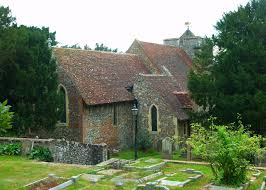
Nestled in the historic city of Canterbury, St Martin’s Church holds the title of the oldest church in continuous use in the UK. Its origins can be traced back to the Roman period, around 597 AD when St Augustine arrived in England. The church’s walls incorporate Roman bricks, making it not only a place of spiritual significance but also an archaeological treasure.
The church’s Norman architecture, evident in its sturdy stone walls and elegant nave, evokes a sense of permanence and continuity—a reflection of the durable faith that has been practiced here for over 1,400 years. Inside, visitors can find fascinating relics and tombs dating back to the medieval period, including the resting place of Queen Bertha of Kent, an early convert to Christianity and a supporter of Augustine’s mission.
Today, St Martin’s Church is an active parish church, welcoming worshippers and history enthusiasts alike. It continues the tradition of community and faith that has been its hallmark for centuries. Its tranquil atmosphere and historical significance make it a must-visit for anyone seeking to connect with the ancient roots of British Christianity.
2. St Peter’s Church, Bradwell-on-Sea
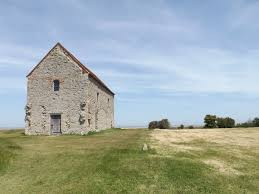
On the remote coast of Essex, St Peter’s Church at Bradwell-on-Sea stands as a solitary sentinel against time. Founded by Bishop Cedd in 654 AD, this church exemplifies early Anglo-Saxon architecture, built from materials sourced from the Roman fort of Othona. Its simple, utilitarian design is a reflection of the austere spiritual practices of the era.
Over the centuries, St Peter’s Church has undergone various modifications, yet it retains its original ambiance of solemnity and purpose. The church’s structure, with its thick stone walls and small windows, whispers stories of early Christian missionaries who braved isolation and harsh conditions to spread the gospel. Legends and historical accounts intertwine to paint a vivid picture of its role in organizing early Christian communities.
Today, St Peter’s Church remains a site of pilgrimage and reflection. Its serene environment, augmented by its coastal backdrop, provides a tranquil space for meditation and connection with history. The church’s annual services, bookended with traditional hymns and readings, transport attendees back to its foundational period, preserving its legacy in contemporary times.
3. St Mary the Virgin, Reculver
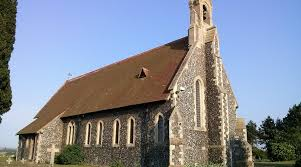
Perched on the windy cliffs of Kent, St Mary the Virgin Church in Reculver stands as a testament to the changing tides of history. Founded in 669 AD, this church was originally part of a Roman fortification before being repurposed for Christian worship. Its stark silhouette against the sky illustrates endurance through centuries of coastal erosion and structural decay.
The church’s architecture, featuring remnants of Roman brick and medieval stonework, tells a story of adaptive reuse, as successive generations rebuilt and expanded its structure to suit changing needs. The towers of the church, added in the 12th century, have become iconic maritime landmarks, guiding sailors navigating the treacherous waters of the Thames estuary.
Despite being partly ruinous, St Mary the Virgin Church invites visitors to explore its grounds and experience the palpable history that radiates from its ancient stones. The surrounding countryside, imbued with a sense of timelessness, provides a fitting backdrop for contemplation and appreciation of the church’s historical significance.
4. St Mary and St Hardulph, Breedon on the Hill
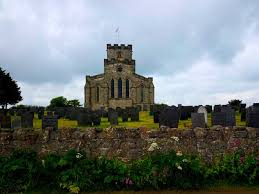
Looming over the Leicestershire countryside, St Mary and St Hardulph Church stands on a significant Iron Age hill fort site, with its foundation dating back to the 7th century. This church’s location atop Breedon Hill underscores its importance as both a spiritual and defensive landmark.
The church’s interior boasts remarkable Anglo-Saxon carvings and medieval frescoes, illustrating biblical scenes and heraldic symbols that reflect its dual role as a religious center and a marker of societal status. These artistic treasures are an invaluable resource for understanding the evolving iconography and artistic techniques over centuries.
St Mary and St Hardulph Church continues to be an active center for worship, hosting regular services and community events. Its historical significance and commanding views over the surrounding landscape make it a popular destination for historians, artists, and nature enthusiasts alike, offering a unique glimpse into the intertwining of faith, art, and history.
5. Escomb Church, County Durham
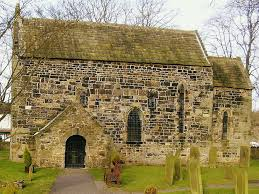
Located in County Durham, Escomb Church is a masterpiece of early Anglo-Saxon architecture, dating back to between 670 and 690 AD. This church is renowned for its remarkably well-preserved structure, offering a rare window into the design and construction techniques of the period.
Escomb Church’s walls, constructed using stones from the nearby Roman fort at Binchester, reveal an intriguing blend of Roman and Anglo-Saxon influences. The church’s compact size, with its simple nave, chancel, and apse, evokes the humble beginnings of Christianity in the region. Inside, the original stone altar and baptismal font stand as testaments to centuries of worship.
The church’s tranquil setting on the banks of the River Wear provides a serene backdrop for reflection and appreciation of its historical significance. Escomb Church’s annual cultural and religious events draw visitors from far and wide, preserving its legacy as a cornerstone of early Christian architecture and community life.
6. St Laurence’s Church, Bradford-on-Avon
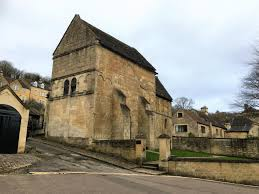
In the picturesque town of Bradford-on-Avon, St Laurence’s Church stands as a finely preserved example of Anglo-Saxon architecture, dating back to the 8th century. Its compact and elegant design, featuring narrow windows and intricate stone carvings, highlights the craftsmanship and artistic sensibilities of the era.
The church’s interior is a treasure trove of historical artifacts, including a 10th-century Anglo-Saxon cross and various medieval relics that narrate the church’s dynamic history. These artifacts serve as a testament to the community’s enduring dedication to preserving its heritage.
St Laurence’s Church is a vibrant part of the local community, hosting services, concerts, and heritage events that celebrate its storied past. Its historical ambiance, coupled with its architectural beauty, makes it a favored destination for those seeking to immerse themselves in the rich history and culture of Bradford-on-Avon.
7. St Mary’s Church, Lastingham
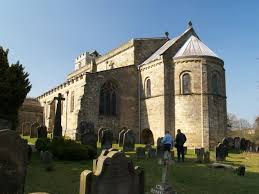
Located in the scenic North Yorkshire Moors, St Mary’s Church in Lastingham was founded in 654 AD by Bishop Cedd. This church’s secluded location underscores its role in monastic life and early Christian worship, providing a refuge for contemplation and spiritual renewal.
St Mary’s Church’s architecture reflects various historical periods, with its crypt being one of the finest examples of Norman design. The church’s interior, adorned with medieval woodwork and stained glass, reflects the evolving aesthetic preferences and religious practices over centuries.
Today, St Mary’s Church remains an active center for worship, hosting regular services that continue to honor its monastic origins. Its serene environment and historical significance attract pilgrims and history enthusiasts, offering a peaceful retreat for reflection and connection with ancient traditions.
8. St Botolph’s Church, Iken
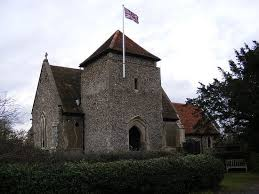
In the tranquil village of Iken, Suffolk, lies St Botolph’s Church, founded in 654 AD. Its location on the banks of the River Alde provides a hauntingly beautiful setting, enhancing its role as a beacon of early Christian worship and community life.
St Botolph’s Church’s architecture, featuring remnants of Anglo-Saxon stonework and medieval additions, encapsulates the church’s storied history. The church’s slender windows and robust structure evoke the spiritual resilience and resourcefulness of its early builders.
The church’s serene ambiance, augmented by the surrounding natural beauty, provides a quiet sanctuary for reflection and meditation. St Botolph’s Church continues to be an active parish, welcoming visitors who seek to experience its historical charm and spiritual tranquility.
9. All Saints’ Church, Brixworth
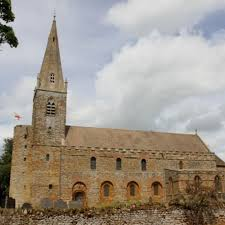
Located in Northamptonshire, All Saints’ Church in Brixworth is one of the finest examples of Anglo-Saxon ecclesiastical architecture, dating back to 675 AD. Its grand scale and intricate design demonstrate the ambitious architectural vision of its founders.
All Saints’ Church’s walls, constructed using stones sourced from various Roman sites, exhibit a unique blend of Roman and Anglo-Saxon craftsmanship. The church’s interior, featuring a majestic nave and chancel, exudes a sense of reverence and spiritual grandeur.
Today, All Saints’ Church remains a vital part of the local community, hosting services and cultural events that celebrate its rich heritage. Its historical significance and architectural beauty attract visitors from across the country, eager to experience its timeless charm and grandeur.
Conclusion
The oldest churches in the UK stand as enduring symbols of faith, community, and historical evolution. Each of these ancient sanctuaries offers a unique glimpse into the architectural ingenuity and spiritual devotion of their founders. Visiting these churches is not merely an exploration of historical sites but a journey through time, connecting modern-day visitors to the rich tapestry of the UK’s religious and cultural heritage. These churches, with their storied walls and tranquil settings, invite contemplation and appreciation, ensuring their legacy endures for generations to come.