Major League Baseball (MLB) is a sport steeped in tradition, pride, and history. Among its many treasures are the iconic ballparks where legends have been made and cherished memories created. While modern stadiums boast cutting-edge amenities, the oldest venues tell stories of a bygone era and offer a glimpse into the game’s rich past.
From Fenway Park’s Green Monster to Wrigley Field’s ivy-covered walls, these stadiums have stood the test of time, becoming a vital part of not just baseball history, but American culture itself.
Join us as we countdown the ten oldest MLB stadiums and explore the charm, history, and significance behind each cherished landmark.
List of the Oldest MLB Stadiums
1. Fenway Park (Opened in 1912)
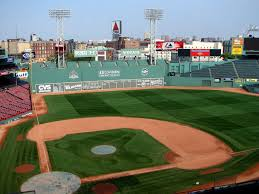
Fenway Park, the crown jewel of Boston, is not just the oldest active MLB stadium but an enduring symbol of baseball’s past and present. Home to the Boston Red Sox, this legendary ballpark has seen countless iconic moments, from Babe Ruth’s early days to Carlton Fisk’s unforgettable home run in the 1975 World Series. A visit is incomplete without witnessing the towering Green Monster in left field, which has been challenging and thrilling batters for over a century.
Fenway’s charm lies in its intimate design and quirky features like Pesky’s Pole and the manual scoreboard, both of which harken back to simpler times. Generations of fans have packed the park’s wooden seats to cheer for their team, creating an atmosphere unlike any other in sports. Fenway isn’t simply a ballpark—it’s a living museum of baseball where tradition reigns supreme.
2. Wrigley Field (Opened in 1914)
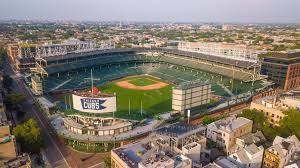
Nestled in the heart of Chicago’s North Side, Wrigley Field is affectionately referred to as “The Friendly Confines.” Home to the Chicago Cubs, this historic stadium is defined by its ivy-covered outfield walls, which add a touch of natural beauty to the game. Wrigley’s first official game occurred in 1916, and it has been the backdrop for countless iconic moments since, including the Cubs’ miraculous 2016 World Series victory—breaking their infamous 108-year championship drought.
Beyond the games, Wrigley captures something uniquely Chicagoan. From the hand-operated scoreboard to the rooftops overlooking the field, the stadium transports visitors back to a time before commercialization dominated sports venues. It’s a nostalgic haven for baseball fans and a beloved landmark for locals alike.
3. Dodger Stadium (Opened in 1962)
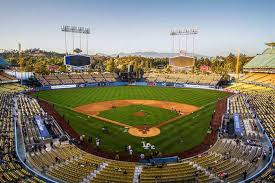
Though comparatively newer than Fenway and Wrigley, Dodger Stadium is the third-oldest stadium in MLB and has become a defining presence in Los Angeles since opening in 1962. Set against vistas of the San Gabriel Mountains, the home of the Dodgers offers breathtaking views that are as iconic as the team itself. With a seating capacity of over 56,000, it remains the largest stadium in Major League Baseball.
Dodger Stadium’s history is rich, including memorable moments like Kirk Gibson’s dramatic 1988 World Series home run. Apart from hosting baseball, it has been a venue for cultural events and concerts, solidifying its reputation as one of the most versatile and essential fixtures in southern California.
4. Angel Stadium (Opened in 1966)
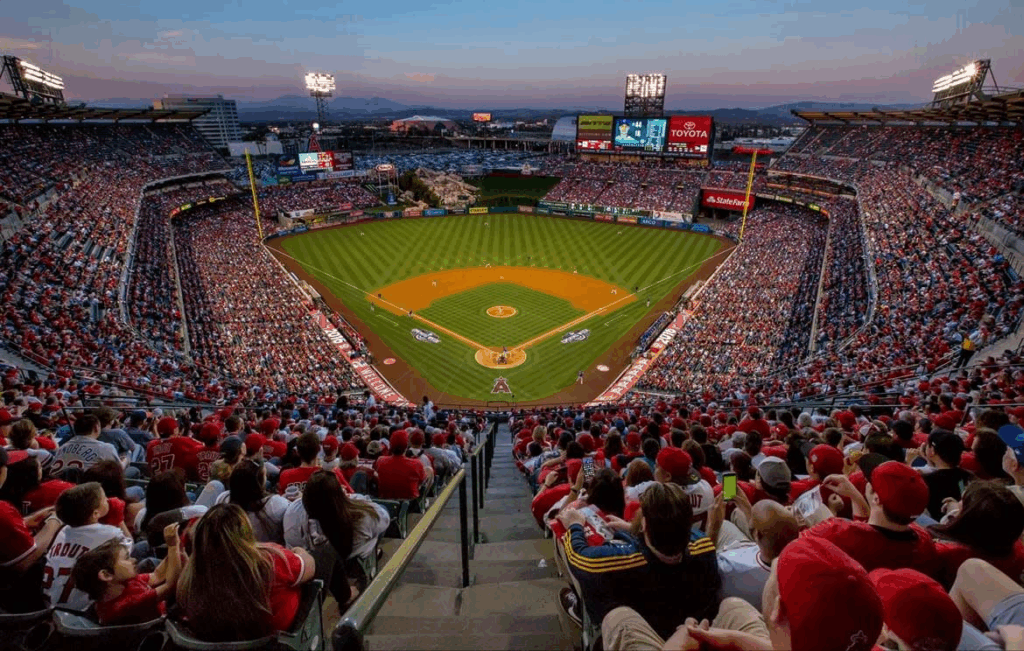
Known affectionately as “The Big A,” Angel Stadium in Anaheim has been home to the Los Angeles Angels since 1966. It’s an enduring symbol of baseball on the West Coast and has remained a hub for generations of fans. The stadium’s towering home plate entrance and its iconic halo-lit “A” sign give it instant recognition, even to casual fans.
Although Angel Stadium has undergone several renovations, its charm and appeal remain intact. It has witnessed unique moments like Nolan Ryan’s record-setting strikeouts and Mike Trout’s rise to stardom. Its longevity is a testament to the passion and resilience of its fan base.
5. Oakland Coliseum (Opened in 1966)
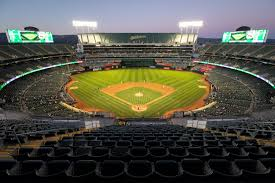
The Oakland Coliseum, officially known as the Oakland-Alameda County Coliseum, is another venue dating back to 1966. While its structure might feel dated compared to newer ballparks, its gritty, no-frills ambiance reflects the character of Oakland and the tenacity of the Athletics franchise.
The Coliseum holds a special place in MLB history, with teams like the Athletics bringing home four World Series titles during their time there. Though it has faced criticism over the years for its aging facilities, loyal fans show up rain or shine, proving that baseball is about spirit and connection, not just bricks and mortar.
6. Kauffman Stadium (Opened in 1973)
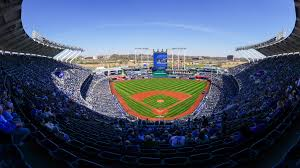
Kauffman Stadium in Kansas City is a gem among the older ballparks, combining both modern elements and traditional charm. Opened in 1973 and home to the Kansas City Royals, its unique crown-shaped scoreboard and iconic fountains have made it one of the most visually stunning venues in baseball.
The stadium has been the site of memorable moments, including George Brett’s famous pine tar incident and the Royals’ 2015 World Series win. Kauffman’s continued renovations have preserved its elegance while adding modern features, proving that a stadium doesn’t have to be brand-new to remain relevant and loved by fans.
7. RingCentral Coliseum (Opened in 1966)
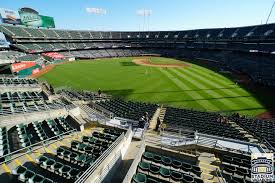
RingCentral Coliseum, often simply referred to as the Coliseum, shares the same opening year as its Oakland counterpart. While it is primarily recognized as a multi-purpose venue hosting both MLB and NFL games over the years, it remains the official home of the Athletics baseball team.
Despite its less glamorous reputation, the RingCentral Coliseum has been witness to Oakland’s fierce competitive legacy. From the “Moneyball” era to the Athletics’ rich farm system, this ballpark tells the story of a franchise that excels despite challenges.
8. PNC Park (Opened in 2001)
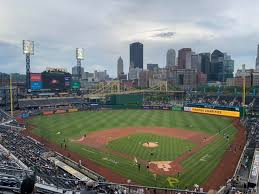
While PNC Park in Pittsburgh is more modern than other entries on this list, it has quickly become a fan favorite due to its classic design and breathtaking views of the city’s skyline and the Allegheny River. Opened in 2001, PNC Park serves as home to the Pittsburgh Pirates and combines old-school aesthetics with innovative features.
Besides its picturesque scene, PNC Park is known for its intimate seating arrangement, allowing fans to feel closer to the action. It’s a reminder that even newer venues can have a unique charm, embracing the tradition while paving the way for the future of baseball parks.
9. Yankee Stadium (Opened in 1923, rebuilt in 2009)
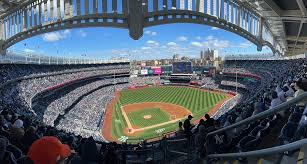
The old Yankee Stadium was America’s cathedral of baseball, home to legends like Babe Ruth, Joe DiMaggio, and Derek Jeter. Though the original stadium saw its final game in 2008 and was replaced with a new, modern version in 2009, its spirit lives on as a cornerstone of the Yankees legacy.
The advanced facilities and tributes to the team’s history within the new Yankee Stadium keep its traditions alive. Whether it’s Monument Park or the echo of crowd cheers from decades past, Yankee Stadium continues to be a place where sports history is celebrated in the grandest way possible.
10. Minute Maid Park (Opened in 2000)
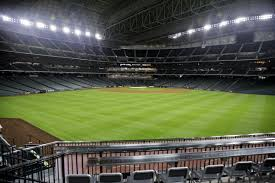
Minute Maid Park in Houston, home to the Astros, is a testament to baseball’s ability to embrace quirky features. Known for its retractable roof and iconic center-field locomotive, this stadium captures the essence of Houston while providing a comfortable experience for fans regardless of weather conditions.
Its fun yet functional design makes Minute Maid Park an inviting venue, whether you’re a lifelong Astros supporter or just love the game. From hosting World Series games to celebrating the Astros’ rise as an MLB powerhouse, it has become a hallmark of contemporary baseball stadiums.
Conclusion
Baseball is far more than just a sport—it’s a connection to history, community, and timeless tradition. The oldest stadiums in Major League Baseball tell stories of resilience, triumph, and evolution over the years. From the century-old Fenway Park to relatively newer gems like Minute Maid Park, each stadium has a unique character that speaks volumes about the team, city, and fans associated with it.
Visiting these ballparks is akin to stepping into history. You’re not just watching a game; you’re experiencing the spirit of America’s pastime within venues that have witnessed decades of unforgettable moments. Whether you’re on a road trip to Fenway or catching a sunset game at Dodger Stadium, these places remind us why we fall in love with baseball again and again.