Football is not just a game; it’s a cultural phenomenon steeped in history, tradition, and unyielding passion. Across the globe, stadiums are more than mere structures—they are portals to memories, arenas of intense competition, and homes of historic moments etched into the collective consciousness of fans. Russia’s Football National League (FNL) is no exception, boasting a rich tapestry of iconic venues that have stood the test of time. These stadiums are more than seats and turf; they are architectural relics that continue to host remarkable matches while narrating stories of years gone by.
Let’s take a look at ten of the oldest FNL stadiums still standing, each with its own unique history and significance.
List of the Oldest FNL Stadiums
1. Central Stadium (Barnaul, 1957)
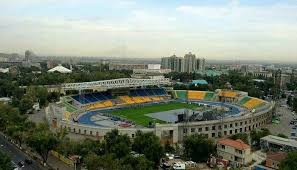
Situated in Barnaul, the Central Stadium was inaugurated in 1957 and has since been a beacon of sportsmanship for the region. With a capacity to hold thousands of fans, this stadium serves as both a historical landmark and a vibrant center for football. Its design reflects the principles of Soviet-era architecture, with simple lines complementing the functional layout.
The Central Stadium has hosted many local tournaments and continues to see regular use by regional teams in the FNL. Over the decades, renovations have modernized portions of the venue, though attempts have largely been made to preserve its original charm. It remains a pillar of sports culture in Barnaul, proudly carrying its legacy into the modern era.
2. Trud Stadium (Tomsk, 1961)
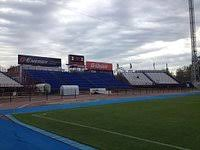
Built in 1961, Trud Stadium is a symbol of resilience and history in Tomsk. Known for its rugged charm, this stadium has long served as the home ground for the iconic FC Tom Tomsk. Located near the Tom River, Trud Stadium boasts a picturesque setting that contrasts with its no-frills, Soviet-style architecture.
Many historic matches have unfolded on its grounds, forging an enduring connection between local fans and their club. Despite its relatively small size by modern standards, its atmosphere during games is electric—proof that history and passion can overcome limitations in scale. Trud Stadium is a place where fans immerse themselves in both football and nostalgia.
3. Avangard Stadium (Omsk, 1955)
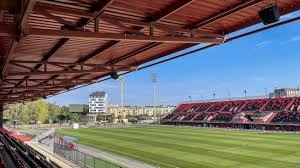
Celebrating its opening in 1955, Avangard Stadium in Omsk is embedded deeply in the fabric of Russian football history. Built during the post-war reconstruction era, the stadium exemplifies the determination and energy of its time. Originally designed as a multi-purpose venue, it hosted various sports events well before becoming synonymous with football.
Over its long history, Avangard Stadium has been a loyal home to several teams and events, solidifying its place among Russia’s historic sporting arenas. While its facilities may no longer shine by today’s standards, the heart of the stadium lies in preserving the regional identity of football in Omsk.
4. Soviet Army Stadium (Ulyanovsk, 1957)
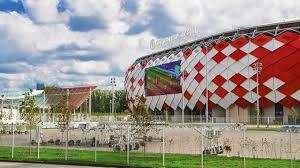
As its name suggests, the Soviet Army Stadium in Ulyanovsk was built in 1957 during an era when sports were seen as a way of embodying collective Soviet ideals. The stadium’s name itself honors the military’s role in strengthening Soviet society, embedding patriotism within its architectural legacy.
Today, this stadium symbolizes endurance, standing strong more than six decades after its construction. It has hosted numerous competitions in a variety of sports but holds a particularly revered reputation as an FNL venue. While modernization has helped improve certain aspects, its classical design remains largely intact—a tribute to an era long past.
5. Dynamo Stadium (Bryansk, 1930)
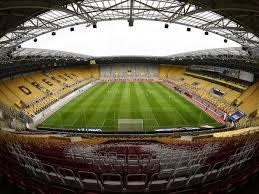
Few stadiums in Russia have the historical pedigree of Dynamo Stadium in Bryansk, which dates back to 1930. This nearly century-old venue stands as one of the elder statesmen of sporting architecture in the country. With its strong connection to local clubs, it’s an integral part of Bryansk’s sporting heritage.
Over the decades, Dynamo Stadium has undergone several renovations to maintain its usability while preserving its timeless aesthetic. Generations of fans have congregated within its walls, adding layer after layer to its storied past. It is not just a stadium—it’s a living museum of football history.
6. Lokomotiv Stadium (Chita, 1956)
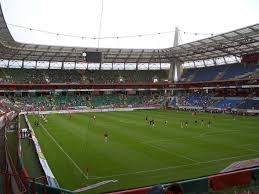
Opened in 1956, Lokomotiv Stadium in Chita reflects the hard-working ethos of its namesake. Built during a time of rapid industrialization, this venue has echoed the calls and chants of local fans for decades, serving as the historic home of FC Chita.
Its understated design doesn’t boast lavish features, but its loyal supporter base ensures it remains a thriving hub of football activity. Lokomotiv Stadium has earned local and national recognition for its ability to provide an authentic footballing experience. Every match played here feels like stepping back into the rich, storied past of Russian sports.
7. Spartak Stadium (Nalchik, 1950)
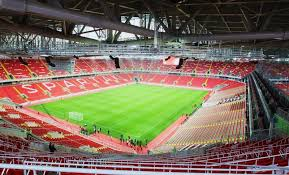
Spartak Stadium in Nalchik dates back to 1950, making it one of the most storied and enduring venues in the FNL. Nestled amidst scenic landscapes, this stadium has long been the fortress for PFC Spartak Nalchik, embodying the fierce competitive spirit of its players and fans alike.
Over its long history, Spartak Stadium has evolved to incorporate modern upgrades while retaining the classic charm of its mid-20th century architecture. It’s a magical venue where the roar of the crowd and the intensity of the game feel heightened, as tradition and passion converge on the pitch.
8. Khimik Stadium (Novomoskovsk, 1952)
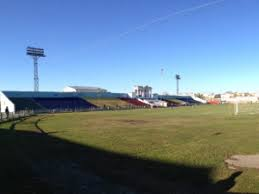
Built in 1952, Khimik Stadium in Novomoskovsk is a hidden gem within the folds of FNL history. Reflecting post-war Soviet design practices, the stadium was constructed to accommodate football and other communal activities, fostering a shared sense of unity.
Its modest structure belies the importance it holds for the local football community. Over time, Khimik Stadium has become a symbol of sporting pride for Novomoskovsk. Young players dream of stepping onto its field, while fans relive iconic matches that have left an indelible mark on their memories.
9. Lesnoy Stadium (Ivanovo, 1958)
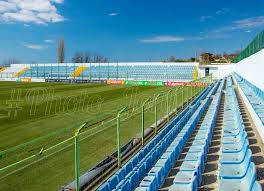
Situated in the city of Ivanovo, Lesnoy Stadium has been a cherished landmark since its construction in 1958. Surrounded by lush greenery, this stadium serves as a melodic contrast to the bustling streets of urban life, embodying the simplicity and serenity of mid-century sports design.
Lesnoy Stadium isn’t just about aesthetics, though—it’s a place where traditions come alive. Generations of fans have flocked here to cheer on their local heroes, ensuring the stadium remains a core part of the city’s identity. Its survival and relevance over the years speak volumes about its cultural significance.
10. Torpedo Stadium (Vladimir, 1952)
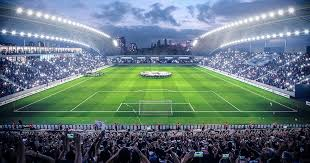
Torpedo Stadium in Vladimir has been an iconic venue since its opening in 1952. Named after one of Russia’s beloved clubs, Torpedo Stadium carries with it the weight of decades of footballing excellence. Its minimalist design suits its gritty roots and has endeared it to fans who appreciate the raw authenticity of the sport.
Over the years, countless matches have been played on its turf, but the spirit of the stadium remains unchanged. Revered by the community, Torpedo Stadium continues to be a symbol of endurance, bridging the gap between the sport’s early days and its modern form.
Conclusion
The oldest FNL stadiums are more than places to play football—they are monuments to decades of passion, shared experiences, and unwavering spirit. From the Soviet Army Stadium in Ulyanovsk to Dynamo Stadium in Bryansk, these venues demonstrate the role football plays in defining local and national identities.
By stepping into one of these historic stadiums, fans not only witness current competition but also connect with the past, celebrating a lineage that has shaped Russian football as we know it. These resilient structures serve as reminders that while technology and tactics may evolve, the essence of football—the camaraderie, the cheers, and the thrill—remains timeless.