The United Kingdom is home to one of the oldest and most intricate railway systems in the world. Since the early days of the Industrial Revolution, the railways have played a pivotal role in shaping the nation’s economy, culture, and everyday life. This legacy is marked by train stations that have stood the test of time—silent witnesses to centuries of progress, innovation, and transformation.
In this article, we dive into the fascinating history of Britain’s oldest train stations, each with its own story to tell, connecting us to an era where travel by rail redefined the way people experienced the world.
Oldest Train Stations in the UK
1. Manchester Liverpool Road Station
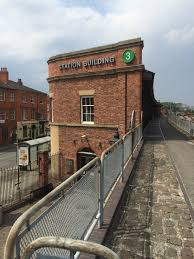
Opened in 1830, Manchester Liverpool Road Station is widely regarded as the oldest passenger train station in the world. Located in the bustling city of Manchester, it was built as the terminus of the Liverpool and Manchester Railway—the first railway designed specifically for steam-powered trains. Its construction marked the beginning of the modern railway network, revolutionizing transportation for both goods and passengers.
The station served as a crucial hub for industrial Manchester, facilitating trade between the city and the port of Liverpool. The iconic station building itself is now preserved as part of the Science and Industry Museum, offering visitors a glimpse into the pioneering days of railway travel. The architecture of Manchester Liverpool Road Station is a stunning example of early railway design, evoking the grandeur of a time when steam trains were a marvel of engineering.
Although no longer in commercial operation, the station remains a cherished historical landmark. Its significance lies not only in its pioneering status but in the way it represents a chapter in the UK’s industrial history. Visiting Manchester Liverpool Road Station is like stepping back into the 19th century—a reminder of how far transport technology has come since then.
2. Euston Station
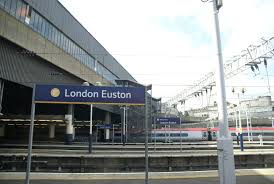
Euston Station in London holds the distinction of being one of the capital city’s oldest railway termini. Originally opened in 1837, this station was the starting point for rail journeys heading north to Birmingham and beyond. Its construction was a bold testament to the growing importance of railroad transport during the Victorian age, and it played a central role in connecting London to the industrial heartlands of the nation.
The original Euston Station boasted a magnificent Doric Arch, a monumental gateway that symbolized the revolutionary age of steam. Although the original station was replaced by a modern structure in the 1960s, the Doric Arch remains a cultural touchstone for enthusiasts who admire the grandeur of Britain’s railway heritage. While the station has evolved, its historic roots continue to resonate with commuters and visitors.
Today, Euston Station is one of London’s busiest transport hubs, serving millions of passengers each year. While its contemporary architecture is a far cry from its original design, its enduring relevance as a gateway to the north reminds us of its historical importance in shaping both the city’s and the nation’s connectivity.
3. Edge Hill Station
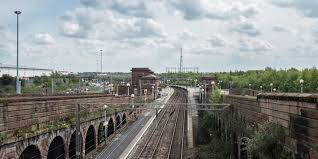
Edge Hill Station in Liverpool is another contender for one of the oldest operating train stations in the UK. Opened in 1836, it served as part of the Liverpool and Manchester Railway—the same pioneering line that birthed Manchester Liverpool Road. Edge Hill occupies a unique place in railway history as the world’s oldest surviving railway station still in operation.
This station has seen transformative moments in transportation history, including the use of innovative locomotive technology and the gradual shift toward more efficient rail designs. Its original sandstone buildings stand as timeless memorials to the birth of public railway infrastructure. The station also played a key role in the growth of Liverpool, helping connect the port city to inland towns during an era of booming trade.
Today, Edge Hill Station continues to serve passengers while also inspiring historians and architects of railway heritage. Whether you’re boarding a train here or simply visiting, Edge Hill’s charm lies in its ability to bridge the past and present, showcasing the enduring relevance of the UK’s railway system.
4. Glasgow Queen Street Station

Opened in 1842, Glasgow Queen Street Station is one of Scotland’s oldest train stations, nestled in the heart of Glasgow. Initially built to facilitate connections between Edinburgh and Glasgow, it was a critical part of the Edinburgh and Glasgow Railway—a vital development for Scotland’s transportation infrastructure during the 19th century.
The station’s design reflected the early ambitions of railway planners, aiming to meet the increasing demand for efficient intercity travel. It became an important hub for travelers, contributing significantly to the economic and cultural exchange between Scotland’s two largest cities. The original structure radiated Victorian charm, though it has been modernized over the years.
Today, Glasgow Queen Street Station remains a vibrant part of Scotland’s railway system, serving millions of passengers annually. While it has adapted to the needs of contemporary travel, its history continues to draw attention from railway enthusiasts who marvel at the station’s long-standing importance in fostering connections across Scotland.
5. Bristol Temple Meads Station
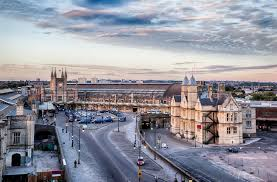
Bristol Temple Meads Station opened its doors in 1840 and remains one of the UK’s most architecturally stunning railway stations. Designed by the legendary engineer Isambard Kingdom Brunel, it served as the western terminus of the Great Western Railway. Brunel’s vision combined incredible engineering ingenuity with timeless architectural beauty, creating a station that still impresses visitors today.
The original terminus was built with dramatic arches and spacious interiors, designed to accommodate Brunel’s groundbreaking broad-gauge trains. Bristol Temple Meads Station was a masterpiece of functionality and elegance, representing the optimism of the Victorian age. Over time, additions and renovations have expanded the station while carefully preserving its historical essence.
Today, Bristol Temple Meads Station is a bustling transport hub that serves as a gateway to the South West. Its blend of history and modernity makes it a fascinating place to visit—not just for train travelers, but for anyone interested in the legacy of Britain’s railway network.
6. London Bridge Station
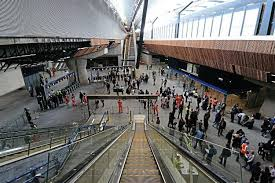
London Bridge Station, opened in 1836, is one of London’s oldest railway stations and remains one of the busiest transport hubs in the country. Originally built as a modest station serving lines between London and Greenwich, it quickly expanded along with the growing appetite for rail travel in the capital.
Over the years, London Bridge Station has undergone numerous renovations, yet its historical significance remains intact. The station became a model for urban railway infrastructure, connecting the heart of London to other major cities and suburban areas. Its strategic location near London Bridge itself made it a key landmark for rail commuters.
Today, London Bridge Station is an impressive example of how old and new can coexist in harmony. While its historical roots run deep, its modern upgrades ensure it keeps pace with the demands of 21st-century rail travel. Its evolution mirrors London’s transformation into a global city.
7. York Station
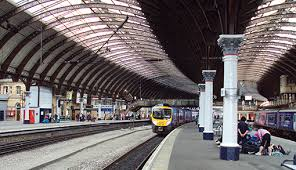
York Station, opened in 1839, is another historical gem in the UK’s railway history. Serving as part of the York and North Midland Railway, it was instrumental in connecting Yorkshire to the rest of the country. Its original structure was built outside the city walls, reflecting the early cautious approach to railway development near historic sites.
The station helped to position York as a critical junction for northern England’s rail network, enabling both passenger and freight transportation. In 1877, a new station was built closer to the city center, but the legacy of the original York Station lives on through railway heritage. The newer station is also a magnificent architectural achievement that blends functionality with aesthetic appeal.
York Station remains a critical rail hub in the UK today, offering connections across the country. Visitors are often drawn to its historical exhibits and the nearby National Railway Museum, which celebrates the enduring legacy of rail travel in Britain.
8. Birmingham Moor Street Station
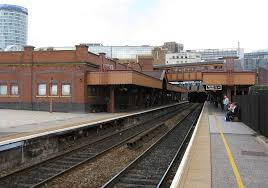
Birmingham Moor Street Station opened in 1909, making it one of the younger entries on this list, but its role in reviving the charm of historical railways is remarkable. Designed as a terminus for Great Western Railway suburban trains, it quickly became a vital part of Birmingham’s railway system, facilitating commuter travel during a bustling industrial era.
What sets Moor Street apart is its dedication to preserving its heritage. The station underwent significant renovations in the early 2000s, carefully restoring its Edwardian charm while ensuring it remained a fully functioning transit hub. The result is a station that feels like stepping into a bygone era, complete with period details and retro signage.
Today, Birmingham Moor Street Station is a blend of history and utility, showcasing how railway heritage can be preserved while adapting to modern transport demands. For travelers passing through Birmingham, it offers a unique experience—not just as a starting point for journeys, but as a destination in its own right.
Conclusion
The oldest train stations in the UK are more than just places where people board trains—they are living monuments to the nation’s history and progress. From Manchester Liverpool Road Station’s groundbreaking inception to the enduring charm of Birmingham Moor Street Station, each station represents a moment in time when rail travel transformed Britain. Whether you’re a train enthusiast, a history buff, or simply someone who appreciates remarkable architecture, these stations offer glimpses into the past that continue to shape the present. Visiting them isn’t just about catching a train—it’s about catching a glimpse of the history that continues to move Britain forward.