Spain is a treasure trove of historical wonders, with its ancient landscapes offering glimpses into the distant past. Among its most fascinating features are the caves scattered across the country, some of which rank among the oldest caves in the world. These natural marvels not only boast breathtaking geological formations but also serve as windows into early human history, showcasing prehistoric art and archaeological evidence that shaped humanity.
Let’s delve into eight of the oldest caves in Spain, uncovering their mysteries and significance.
Oldest Caves in Spain
1. Altamira Cave: A Prehistoric Masterpiece
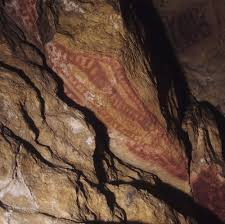
Located near Santillana del Mar in Cantabria, Altamira Cave is often hailed as the Sistine Chapel of prehistoric art. Widely regarded as one of the oldest caves in Spain, it was first discovered in the late 19th century and immediately captivated archaeologists with its stunning Paleolithic paintings.
The cave’s walls are adorned with vivid depictions of bison, horses, and deer, rendered with exquisite detail and vibrant colors. These images are estimated to date back around 36,000 years, making them among the oldest examples of cave art in the world. The use of shading and perspective demonstrates the sophistication of the artists, challenging assumptions about the capabilities of early humans.
While the Altamira Cave is no longer open to the general public due to preservation concerns, visitors can experience its splendor through a replica museum nearby. This cave stands as a stunning testament to the creativity and ingenuity of prehistoric societies.
2. El Castillo Cave: The Birthplace of Human Creativity
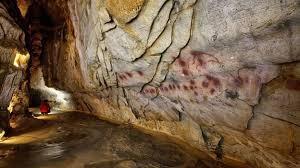
Another jewel of Cantabria, El Castillo Cave is famous for containing some of the oldest cave paintings ever discovered. Archaeologists have found hand stencils and abstract red disks dating back at least 40,800 years, earning the cave its place among the oldest caves in the world.
El Castillo served as both a shelter and a creative space for prehistoric humans, who left their mark on its limestone walls. The red ochre artwork found here suggests that early humans possessed the ability to think symbolically, laying the groundwork for modern thought and communication. Notably, researchers believe that some of the art may have been created by Neanderthals, adding a deep historical dimension to the cave’s significance.
Today, visitors can explore El Castillo Cave, marveling at its haunting depictions of a long-lost era. Its ethereal beauty and historical value make it an unmissable stop for anyone interested in Spain’s ancient past.
3. Cueva de Nerja: A Journey Through Time
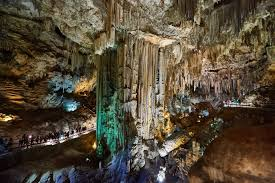
Nestled on the southern coast of Spain near Málaga, Cueva de Nerja is not only one of the oldest caves in Spain but also one of the most expansive. The cave spans over 4 kilometers, filled with captivating stalactites, stalagmites, and prehistoric remains.
Carbon dating suggests that the cave was inhabited by humans approximately 42,000 years ago, placing it among the oldest documented human settlements in Europe. Additionally, researchers have discovered cave paintings depicting marine life—a rarity in prehistoric art—suggesting advanced symbolic thinking. These depictions could be linked to the diets and lifestyles of early humans who lived near coastal regions.
Cueva de Nerja is also famed for its underground concert hall, where musical performances reverberate through the naturally-formed cathedral-like chambers. Visitors to this extraordinary site are offered an opportunity to experience both geological and human history in a single breathtaking location.
4. Cueva de las Ventanas
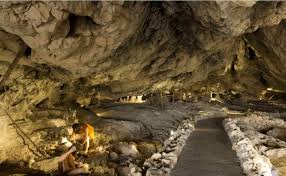
Located in southern Spain near the village of Piñar, Cueva de las Ventanas stands out for both its age and cultural significance. Once a refuge for early humans during the Paleolithic era, the cave offers an extraordinary connection to the region’s ancient past.
Excavations have uncovered stone tools and other artifacts that date back tens of thousands of years. These findings suggest that the cave played a pivotal role in the survival of prehistoric communities, offering shelter from extreme weather conditions and predators. Furthermore, archaeologists have found evidence that the cave was used for ritualistic activities, implying a spiritual dimension to its early inhabitants’ lives.
Visitors today can take guided tours of the cave, where carefully illuminated pathways highlight the intricate rock formations and showcase the historical artifacts discovered on site. Its unique location and rich archaeological importance make Cueva de las Ventanas a true gem among the oldest caves in Spain.
5. Cueva de La Pasiega: A Testament to Early Expression
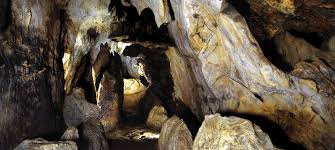
Nestled in Cantabria’s Monte Castillo region, Cueva de La Pasiega is part of a larger complex of caves that have been essential to understanding the development of human creativity. The cave features an array of abstract art and animal depictions that date back roughly 35,000 to 40,000 years.
The discoveries inside La Pasiega provide crucial evidence of the artistic evolution of early humans. The geometric shapes and patterns suggest intentional symbolic communication, hinting at the beginnings of a structured language or storytelling method. Additionally, the cave’s paintings share stylistic similarities with artwork found in other ancient caves in Spain, indicating such creativity was widespread across the region.
Today, researchers continue to study La Pasiega to better understand the cultural practices of prehistoric societies. For visitors, its timeless art remains a moving reminder of humanity’s enduring desire to communicate, create, and interpret the world around us.
6. Cueva de Maltravieso: Tracing Ancient Hands
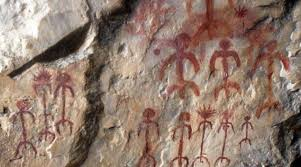
Situated in Cáceres, Extremadura, Cueva de Maltravieso is home to some of the oldest known hand stencils in the world. These stencils are believed to date back nearly 64,000 years, making the cave one of the oldest caves in Spain and a crucial site for studying human and Neanderthal interactions.
The handprints cover the walls of the cave in striking red pigments, created by blowing ochre pigment around the hands to leave their silhouettes. Such artwork marks an important step in the development of abstract thought, as these stencils weren’t merely utilitarian but symbolic expressions left behind for posterity. Researchers theorize that these handprints may signify identity, ritual, or even early forms of communication.
Preservation efforts have restricted access to the cave to maintain its fragile environment, yet Cueva de Maltravieso remains a beacon of ancient creativity. Its iconic hand stencils remind us of the shared humanity between modern humans and their Neanderthal cousins.
7. Cueva del Ambrosio: The Dawn of Human History
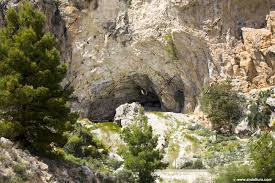
Located in Almería, Cueva del Ambrosio is an archaeological hotspot, offering ample evidence of early human settlement and activity. Estimates suggest that communities inhabited the cave over 50,000 years ago, using it as a sanctuary from harsh terrains.
One of the cave’s defining features is its extensive collection of artifacts, including stone knives, tools, and animal remains. These items provide insight into the daily lives of early humans, showcasing their ingenuity and adaptability to survive in their challenging environment. Furthermore, while there are few visible drawings compared to caves like Altamira, Cueva del Ambrosio offers crucial evidence of human progress in tool-making and rudimentary construction.
Archaeological studies continue in Cueva del Ambrosio to uncover more about this ancient site. For those fascinated by the practical side of prehistoric life, this cave is an incomparable piece of Spain’s historical puzzle.
8. Cueva del Arbreda: A Prehistoric Time Capsule
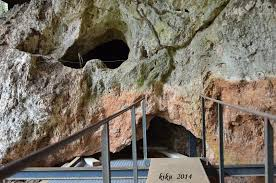
Hidden in the Catalonian region near Girona, Cueva del Arbreda is not as widely known as Altamira but holds equal importance in the history of human evolution. Radiocarbon dating suggests it was occupied around 38,000 years ago, making it a significant site among the oldest caves in Spain.
The cave is famous for its connections to both Neanderthals and early Homo sapiens, offering evidence of a transformative period in human history. Tools, artwork, and burial remains discovered here signal the transition between species and the blending of their cultures. This makes Cueva del Arbreda particularly fascinating for anthropologists studying the diffusion of ideas and survival strategies between groups.
For visitors and researchers alike, stepping into Cueva del Arbreda feels like entering a prehistoric time capsule. It provides an intimate view of the ways ancient humans lived, thrived, and changed over millennia.
Conclusion
The oldest caves in Spain are more than just geographical formations—they are profound archives of human heritage. Whether through the vibrant art of Altamira or the haunting stencils of Maltravieso, these ancient sites provide invaluable insight into early creativity, survival, and expression.
Exploring these caves is akin to tracing the origins of humanity, reminding us of our shared history and deep connection to the natural world. For lovers of ancient history and archaeology, these caves in Spain offer an unforgettable journey into the distant past.